

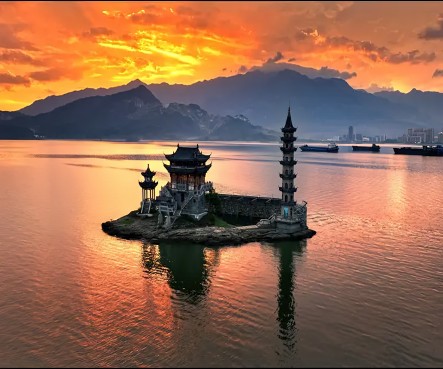


12-day tour in Jiangxi
7 Days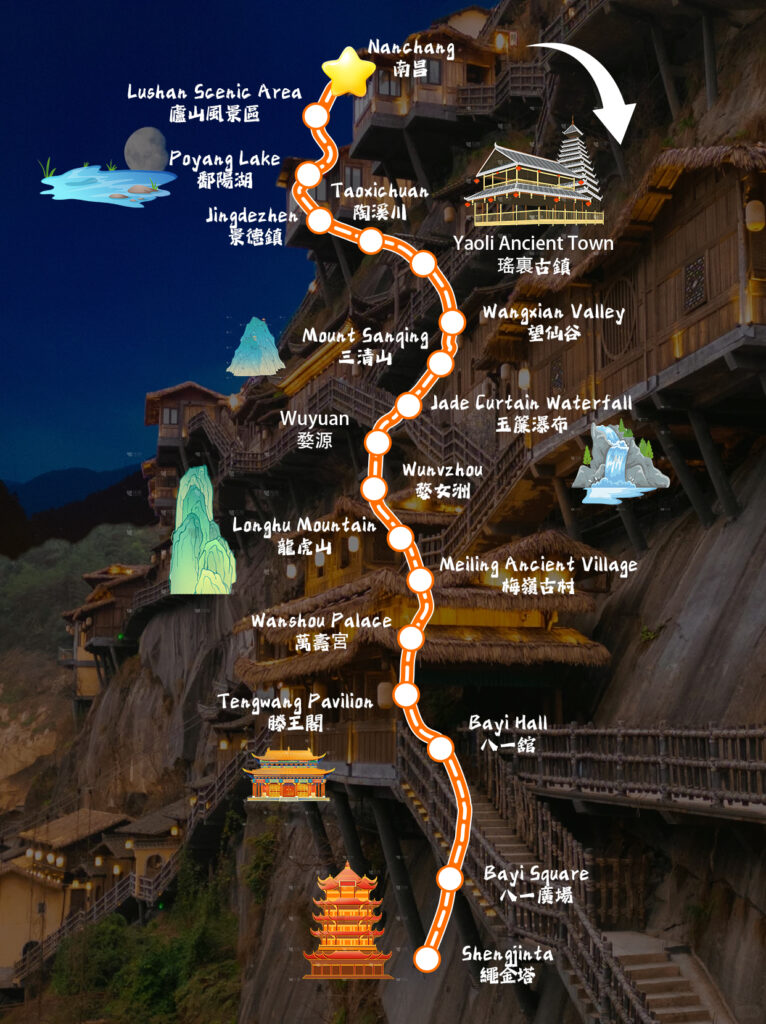
Included/Exclude
Cost Includes
- Pick and Drop Services
- Meals Included in the Itinerary
- Travel Insurance
- Admission Tickets
- Tour Guide Service
- Provide free drone photography service
- 4-Diamond Comfort Hotel
Cost Excludes
- Chinese Visa
- Flight Tickets
- Single Room Supplement
- Meals Not Specified in the Itinerary
Trip Info
-
4 Star Hotel
-
Availability
-
Availabe
-
1819.9m
-
Bilingual Tour Guide
-
Chinese, English
-
VISA, Master Card
-
Private Chauffeur Car for Travel
-
Available
Why go?
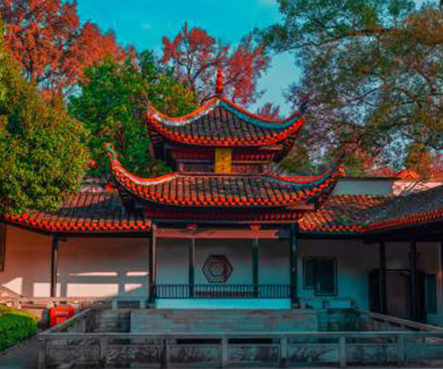
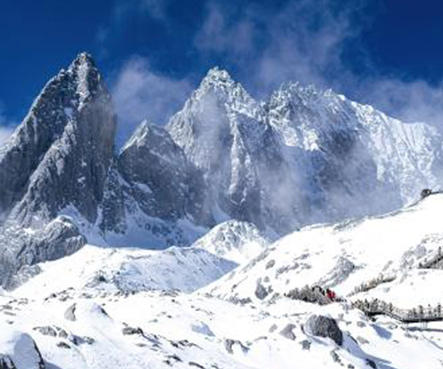
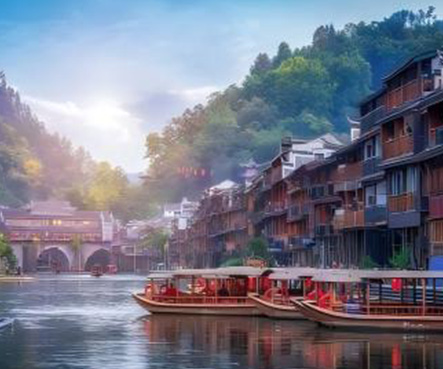
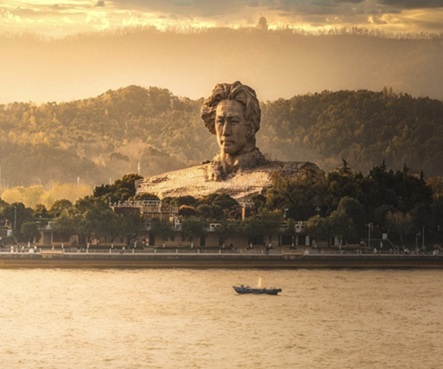
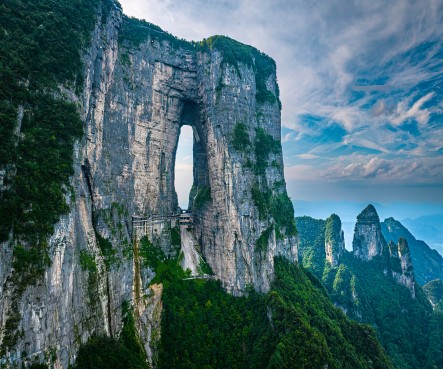
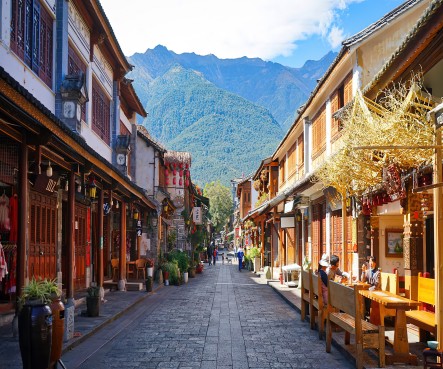
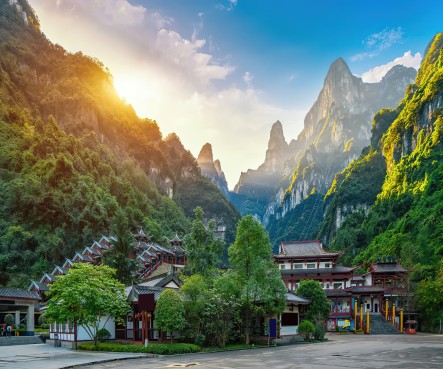
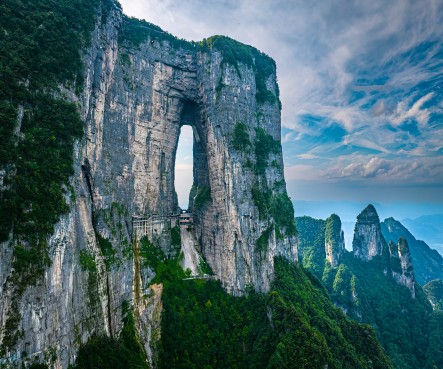
This is a 12-day travel itinerary for Jiangxi Province, starting and ending in Nanchang. It connects iconic attractions including Lushan Mountain, Donglin Giant Buddha, Jingdezhen, Sanqing Mountain, Wuyuan, and Longhu Mountain, covering natural landscapes, ancient towns and villages, as well as cultural landmarks—all at a relatively tight pace.
Tour Highlights
- Holiday with friends & family.
- As many activities & excursions as can be fitted in to your trip.
- Go any day of the week and most times of the year.
Tour Plan
Your journey begins as you arrive in Nanchang, the capital city of Jiangxi Province, known for its rich history and picturesque landscapes along the Gan River. Upon your arrival at Nanchang Changbei International Airport or Nanchang West Railway Station, your local guide or driver will greet you, holding a sign to offer a warm welcome. You will then be transferred to your hotel for check-in. The remainder of the day is free for you to rest and begin acclimating to your new surroundings at your own pace.
Warm Tips
Nanchang has a low altitude and subtropical climate with moderate temperatures, so altitude sickness is not a concern. You may notice some differences in humidity and temperature compared to home.
Take it easy on your first day—rest well, stay hydrated, and avoid strenuous activities. Skip the first evening bath or shower to let your body adjust. Dress in layers for comfort as temperatures can vary between day and night.
Some hotels use solar water heaters, which may affect hot water availability on cloudy days or late at night. Your understanding is appreciated.
Accommodation standards may differ from major cities but offer modern comfort with local charm. Embrace these regional characteristics as part of your Jiangxi experience.
Your journey begins as you depart from Nanchang and travel approximately 2-3 hours to the renowned Lushan Scenic Area, a UNESCO World Heritage Site and one of China's most celebrated mountain retreats. Upon arrival, you'll ascend the mountain via scenic cable car or winding road, entering a world of mist-shrouded peaks, ancient temples, and cascading waterfalls. Your exploration includes visits to Lushan's most iconic sites: Flower Path (Huajing), where the famous poet Bai Juyi once walked; Immortal's Cave (Xianrendong), a Taoist sanctuary with breathtaking cliffside views; and Meilu Villa, the former summer residence of Chiang Kai-shek and Soong Mayling, offering fascinating insights into modern Chinese history. The highlight of your day is Hankou Peak (Hanpokou), where on clear days you can gaze upon the vast expanse of Poyang Lake, China's largest freshwater lake, stretching to the horizon. Throughout the day, you'll be surrounded by Lushan's ethereal beauty—soaring peaks, ancient pines, and if you're fortunate, the famous Lushan mist that has inspired poets and painters for centuries. After your explorations, you'll descend the mountain and return to your accommodation in Nanchang, with the remainder of the evening free to relax.
Warm Tips
Mountain weather: Lushan is significantly cooler than Nanchang. Layer up—temperatures drop with altitude. Waterproof jacket essential year-round.
Walking: Extensive walking on uneven paths and steps. Sturdy, comfortable shoes required.
Visibility: Mist common—embrace the ethereal atmosphere even if views obscured.
Sun protection: UV stronger at altitude—sunscreen, sunglasses, hat needed.
Motion sickness: Winding mountain roads—medication if prone.
Meals: Breakfast [B] included at Nanchang hotel. Lunch flexible in scenic area. Dinner your choice back in Nanchang.
Accommodation: Return to Nanchang hotel. Hot water generally reliable.
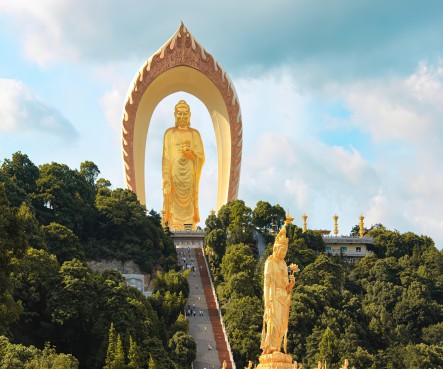
Your second day in the Lushan Scenic Area begins as you venture deeper into this misty mountain paradise, discovering more of its natural and cultural treasures. Today's exploration takes you to additional iconic sites within the national park. You might visit the Five Old Men Peak (Wulaofeng), one of Lushan's most distinctive landmarks, where five adjacent peaks resemble elderly scholars in conversation. The panoramic views from here are spectacular, especially in the soft morning light. Continue to Three-Step Waterfalls (Sandiequan), where water cascades down three distinct tiers through lush forest—a truly breathtaking sight. You'll also have time to explore Lushan Museum, housed in a former imperial palace, showcasing ancient calligraphy, paintings, and artifacts that reveal the mountain's rich cultural history. In the afternoon, you'll descend from the mountain and visit the magnificent Donglin Giant Buddha, one of the largest outdoor Buddha statues in China. This towering golden figure sits serenely amidst rolling hills, offering a profound sense of peace and scale. You'll have time to explore the surrounding temple complex, light incense, and absorb the spiritual atmosphere. After this full day of exploration, you'll return to your accommodation in Nanchang, enriched by two days immersed in Lushan's ethereal beauty and cultural heritage.
Warm Tips
Mountain weather: Still cool—layer up. Waterproof jacket essential. Mist common—embrace atmospheric conditions.
Five Old Men Peak: Moderate hike involved. Sturdy shoes required. Best photos early morning.
Three-Step Waterfalls: Many steps—good fitness needed. Railings wet—hold carefully.
Donglin Giant Buddha: Religious site—dress modestly (cover shoulders/knees). Photography permitted outdoors. Allow time for peaceful contemplation.
Sun protection: UV stronger at altitude—sunscreen, sunglasses, hat needed.
Motion sickness: Winding mountain roads—medication if prone.
Meals: Breakfast [B] included at accommodation. Lunch flexible in scenic area or near Buddha. Dinner your choice in Nanchang.
Accommodation: Return to Nanchang hotel. Hot water generally reliable.
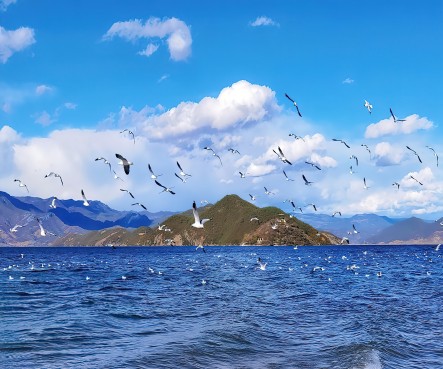
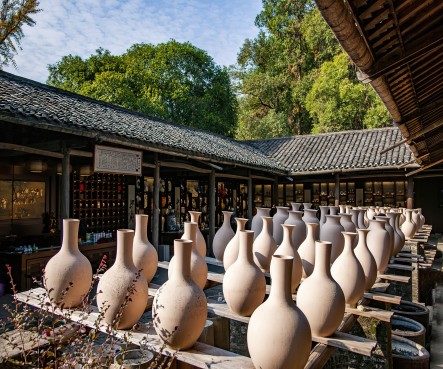
Your journey begins as you depart from Nanchang and travel approximately 1.5 hours to Poyang Lake, China's largest freshwater lake. At a scenic viewpoint, you'll gaze upon this vast expanse of water stretching to the horizon—a vital wetland ecosystem and migratory bird sanctuary. Depending on the season, you might glimpse flocks of Siberian cranes or other waterfowl against the shimmering surface. Continuing approximately 1.5 hours, you'll arrive in Jingdezhen, the "Porcelain Capital" of China. Your first stop is the Jingdezhen Ceramic Museum, one of China's finest specialized museums. Housed in a striking modern building, its extensive collection spans millennia of ceramic history—from ancient celadon to exquisite Ming dynasty blue-and-white, from imperial porcelain to contemporary masterpieces. The museum offers a comprehensive understanding of why Jingdezhen has been the world's ceramic center for over a thousand years. Next, you'll explore Taoxichuan, a revitalized industrial area transformed into a vibrant cultural district. Former factory buildings now house contemporary art galleries, ceramic studios, bookstores, and chic cafes. You can watch artists at work, browse unique handmade pieces, and soak in the creative atmosphere where tradition meets innovation. The red brick architecture against green ivy creates a perfect backdrop for photography. After your explorations, you'll check into your hotel in Jingdezhen, with the evening free to perhaps return to Taoxichuan when its creative spaces glow under warm lights.
Warm Tips
Poyang Lake: Scenic viewpoint brief stop. Birdwatching best October-March. Binoculars recommended.
Ceramic Museum: Allow 2 hours. Free admission with ID. Photography permitted but no flash.
Taoxichuan: Best late afternoon into evening. Studios active daytime; restaurants and bars lively at night. Allow 2-3 hours.
Weather: Mild temperatures. Layer up—evenings cooler.
Sun protection: UV moderate—sunscreen, sunglasses, hat still wise.
Meals: Breakfast [B] included at Nanchang hotel. Lunch flexible en route or in Jingdezhen. Dinner your choice in Taoxichuan—excellent creative dining.
Accommodation in Jingdezhen: Range of modern hotels. Hot water generally reliable. Taoxichuan area particularly atmospheric for evening stay.
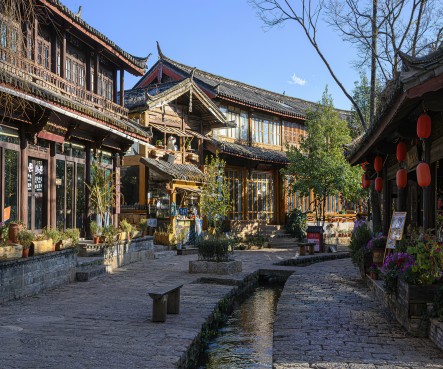
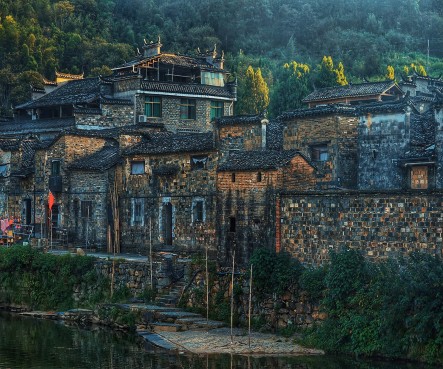
Your journey continues as you depart from Jingdezhen and travel approximately 1 hour to Yaoli Ancient Town, a hidden gem nestled among lush mountains. Known as the "hometown of ceramics" (the ancient name "Yaoli" literally means "kiln village"), this ancient town preserves stunning Huizhou-style architecture along the banks of the Yao River. You'll wander through well-preserved Ming and Qing dynasty buildings, cross ancient stone bridges, and soak in the tranquil atmosphere that has inspired poets for centuries. For the main town area, you can explore freely without tickets; if you wish to visit surrounding attractions like Wanghu Scenic Area or the Gaoling ancient mine sites, a combination ticket around 100 RMB is available.
Continuing approximately 1.5 hours, you'll arrive at Sculpture Porcelain Factory, Jingdezhen's most vibrant ceramic art district. Unlike traditional museums, this living factory houses hundreds of artist studios, workshops, and galleries in a sprawling complex. You can browse countless ceramic pieces—from affordable daily ware to exquisite art pieces—watch artisans at work, and even try your hand at making your own pottery. Don't miss the Lotte Creative Market held on Saturdays, where young ceramic artists showcase unique contemporary pieces.
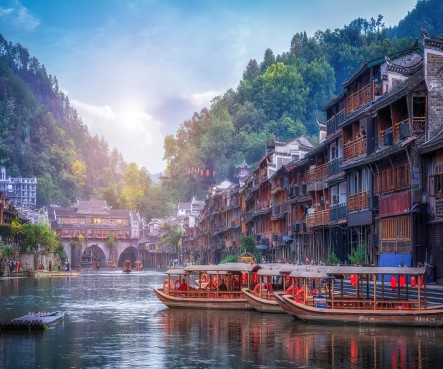
From Jingdezhen, travel approximately 2 hours to Wangxian Valley, a stunning resort scenic area built along steep cliffs in Shangrao. This "fairy-tale town" features traditional Gan-style architecture clinging to mountainsides, with waterfalls cascading through the valley. Spend the afternoon exploring canyon trails, crossing suspension bridges, and discovering ancient workshops. As dusk falls, Wangxian Valley transforms—thousands of lights illuminate the cliffside buildings, creating a magical scene straight from a fantasy film. The night view from Lanyue Bridge is unforgettable. After your explorations, you'll stay overnight within Wangxian Valley (cliffside guesthouses available) or at nearby accommodations.
Warm Tips
Yaoli Ancient Town: Free entry for the main town. A combination ticket (around 100 RMB) covers surrounding attractions. Riverside dining offers local specialties—try fresh river fish and wild bamboo shoots.
Sculpture Porcelain Factory: Free entry. The Saturday market is best for unique finds. Bargaining is reasonable. DIY experiences (pottery making, painting) are available.
Wangxian Valley: Daytime and nighttime views are completely different—both are worth experiencing. Wear comfortable shoes for walking the canyon trails. Night photography is stunning from Lanyue Bridge.
Transportation: The journey from Jingdezhen to Wangxian Valley takes approximately 2 hours by car. Shuttle buses are available within the valley.
Weather: The mountain climate is cooler—dress in layers. Evenings are cold even in summer.
Sun protection: UV rays are still present—sunscreen, sunglasses, and a hat are recommended.
Insects: Mosquitoes are present in the valley—bring insect repellent.
Meals: Breakfast [B] is included. Lunch is flexible, available in Yaoli or along the route. Dinner is your choice in Wangxian Valley—try local claypot dishes.
Accommodation: Wangxian Valley offers unique cliffside stays (book well in advance) or comfortable hotels outside. Hot water is generally reliable. Staying inside the valley is recommended for the full night experience.
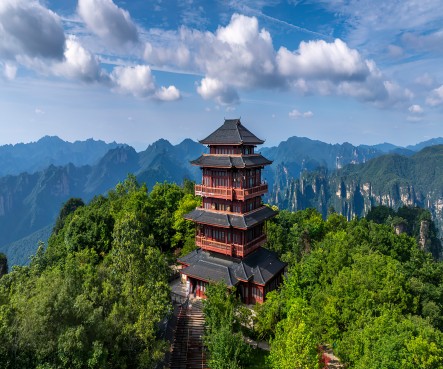
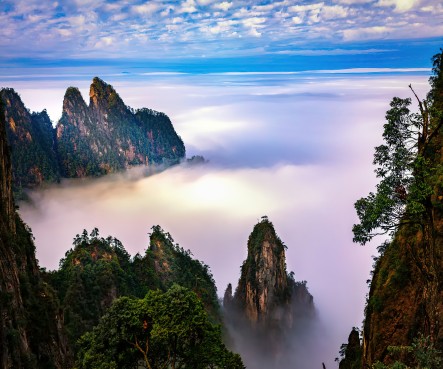
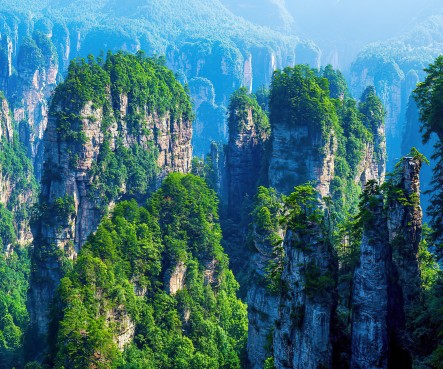
Your journey continues as you depart from your accommodation and travel to Mount Sanqing (Sanqingshan), a UNESCO World Heritage Site and one of China's most spectacular Taoist sacred mountains. Located in Jiangxi Province, this breathtaking landscape features towering granite peaks, ancient twisted pines, and mystical sea of clouds that have inspired poets and artists for centuries. The name "Sanqing" means the "Three Pure Ones," referring to the three main summits—Yujing, Yushui, and Yuhua—that represent the Taoist trinity .
Your exploration begins as you take the cable car up into this ethereal realm. The Nanqing Garden Scenic Area forms the heart of the mountain, home to its most iconic rock formations. Here you'll encounter the legendary Oriental Goddess peak, a natural granite sculpture resembling a graceful maiden, and the awe-inspiring Giant Python Emerging from the Mountain, a 128-meter tall pillar that appears to rise like a serpent toward the sky . Continuing along the well-maintained trails, you'll discover the Sunshine Coast High-Altitude Plank Road, a cliff-hanging pathway offering panoramic views of the sea of clouds and distant peaks . The West Coast Plank Road stretches for 4 kilometers along sheer cliffs at 1,600 meters elevation, providing the most dramatic perspectives of the mountain's granite wonders .
Midway through your journey, you'll visit the ancient Sanqing Palace (Sanqinggong), a Taoist temple complex dating back over 1,600 years. This sacred site features traditional architecture arranged according to Bagua principles, with more than 230 ancient stone carvings and structures scattered throughout the area . For those with stamina, a side trek to Yujing Peak, the highest summit at 1,819 meters, rewards you with unparalleled views of the surrounding peaks and, on clear days, the rolling sea of clouds stretching to the horizon . After a full day immersed in this fairyland landscape, you'll descend via cable car and return to your accommodation, carrying memories of one of China's most magical mountains.
Warm Tips
Best time: Spring (April-June) for rhododendrons; autumn (September-November) for clearest skies and reliable sea of clouds
Weather: Mountain climate unpredictable, significant temperature drops—layer up with thermal base, fleece, windproof jacket. Even summer evenings cold
Footwear: Sturdy, non-slip hiking shoes essential—trails have many stairs and can be slippery
Plank roads: 4km West Coast Trail has no steps, easy walking; Sunrise Coast also flat—both offer spectacular cliffside views
Photography: Best sea of clouds after rain or early morning. Sunrise from Yujing Peak or Yuxu Terrace unforgettable. Bring polarizing filter, tripod for low light
Yujing Peak: Summit access limited to 150 people/day—must reserve online one day in advance
Cable cars: Two entrances—Jinsha (east) and Waishuangxi (south). Last cable car around 17:30, plan accordingly
Duration: Full loop takes 6-8 hours. Overnight stay on mountain recommended for sunrise viewing
Food: Limited expensive options on mountain—bring snacks, water, energy bars
Sun protection: UV intense at altitude—sunscreen, sunglasses, hat essential even on cloudy days
Meals: Breakfast [B] included at accommodation. Lunch flexible—pack or purchase on mountain. Dinner your choice back at hotel
Accommodation: Options at base (Jinsha Service Area has range from homestays 200-500 RMB to resorts 500-900 RMB) or on mountain (basic hotels, book well in advance)
Your journey continues as you depart from your accommodation and travel to the magnificent Jade Curtain Waterfall, one of the most spectacular waterfalls in the Mount Sanqing area. Cascading from a height of over 60 meters, the waterfall resembles a jade curtain hanging between two steep cliffs, its waters catching the light and creating rainbows on sunny days. The pool below shimmers with turquoise clarity, surrounded by lush vegetation and ancient rocks. You'll have time to walk to various viewing platforms, feel the cool mist on your face, and capture the beauty of this natural wonder from multiple angles. The sound of rushing water and the peaceful forest setting create a truly serene atmosphere.
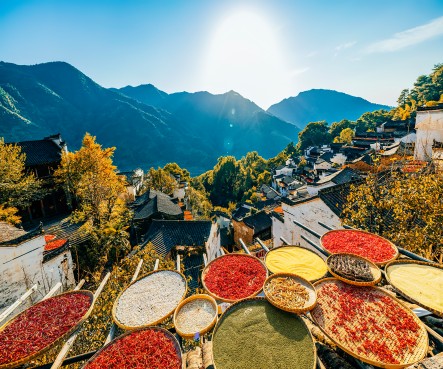
Continuing approximately 1.5 hours, you'll arrive at Wuyuan Huangling, a stunning ancient village perched on a hillside in Wuyuan County, often called "China's most beautiful countryside." Accessible via cable car, Huangling is famous for its unique "sun drying" culture—vibrant baskets of chili peppers, golden corn, and other harvest crops displayed on wooden racks against white-walled, black-tiled Hui-style architecture. This colorful tradition, known as "晒秋" (sun-drying harvest), creates a living painting that changes with the seasons. Wander through the village's narrow cobblestone streets, explore well-preserved Ming and Qing dynasty homes, and cross the dramatic suspension bridge connecting two hilltops for panoramic views of the terraced fields below. Don't miss the Sky Street, the village's main thoroughfare lined with charming shops, teahouses, and workshops where you can observe traditional crafts. The village also features beautiful ancient trees, some over 500 years old, and stunning views of surrounding mountains and terraced fields that burst into color during spring rapeseed flower season. As afternoon fades, the golden light transforms the village into a photographer's paradise. After your explorations, you'll return to your accommodation in the Wuyuan area or continue to your next destination.
Warm Tips
Jade Curtain Waterfall: Easy walking on paths. Best viewing after rainfall when water flow is strongest. Rainbows are likely around midday. Spray can wet cameras—protect your equipment.
Huangling cable car: The scenic ride up offers great photo opportunities. The last cable car down is typically at 5:30 PM, so plan accordingly.
Sun-drying harvest experience: Peak drying displays are in autumn (September to November). The spring rapeseed flower season (March to April) is equally spectacular.
Walking: The village has many steps and slopes—sturdy, comfortable shoes are essential.
Suspension bridge: It can sway—secure loose items. The views are spectacular, especially in the late afternoon.
Weather: The mountain climate is variable—dress in layers. Mornings and evenings are cool. A waterproof jacket is wise year-round.
Sun protection: UV rays are present—sunscreen, sunglasses, and a hat are recommended.
Photography: The golden hour (late afternoon) is best for the village and terraces. Bring a wide-angle lens for landscapes and a zoom lens for details of the drying racks.
Meals: Breakfast [B] is included. Lunch is flexible in Huangling—try local specialties like steamed fish and tofu dishes. Dinner is your choice at your accommodation or nearby.
Accommodation: The Wuyuan area offers a range of options, from charming village guesthouses to comfortable hotels. Staying in Huangling itself (though options are limited) allows for evening and night photos. Hot water is generally reliable.
Your day begins as you depart from your accommodation and travel to Likeng (李坑), one of Wuyuan's most charming ancient villages. Nestled among lush hills, this well-preserved settlement is the epitome of the "little bridge, flowing water, tranquil home" imagery that has made Jiangnan famous. You'll wander along cobblestone lanes flanked by white-walled, black-tiled Hui-style architecture, following the clear stream that winds through the village. Cross the numerous small bridges connecting the two banks, each offering different perspectives of the picturesque scene. Don't miss the village's landmark structures—the centuries-old ancestral halls, the towering ancient camphor trees, and the well-preserved dwellings that showcase the region's rich cultural heritage .
Continuing your journey, you'll arrive at Wangkou (汪口), a tranquil riverside village where your next adventure awaits. Here, you'll board a traditional bamboo raft for a serene float along the crystal-clear waters of the Yongchuan River. Drifting downstream, you'll be surrounded by rolling green hills, ancient trees lining the banks, and glimpses of the village's white-walled houses peeking through the foliage. The gentle pace allows you to fully absorb the pastoral beauty that has inspired poets for centuries. The raft journey typically ends near the village's ancient dock, where you can explore on foot the well-preserved Ming and Qing dynasty architecture, including the exquisite Yu's Ancestral Hall with its intricate wood carvings .
Your final destination is Wunvzhou Resort (婺女洲), a beautifully crafted cultural tourism destination inspired by the legendary Wunv (婺女) mythology. As you enter this newly developed resort area, you'll be transported into a world of reinterpreted Huizhou architecture, with white walls, dark tiles, and flying eaves reflected in the tranquil waters of Wunv Lake. Explore the various cultural attractions scattered throughout the resort—the ancient-style bookstores, wedding customs museum, and merchant association halls that tell stories of the region's rich mercantile history . As dusk falls, Wunvzhou transforms dramatically. The buildings and bridges become illuminated, their reflections dancing on the lake's surface. The highlight is the spectacular large-scale water performance, "Encounter Wuyuan," which combines music, light, and choreography against the backdrop of the floating golden pavilion—a mesmerizing experience that brings local legends to life . After this enchanting evening, you'll check into your accommodation within the resort or nearby, with memories of a day that perfectly blends ancient village charm with modern cultural creativity.
Warm Tips
Likeng: Cobblestone streets uneven—wear comfortable shoes. Allow 1.5-2 hours. Morning light best for photography .
Wangkou bamboo raft: 60 RMB/person, ~30 minutes. Life jackets provided—keep on. Protect electronics from water. Best views late afternoon .
Wunvzhou: Day and night completely different—both worth experiencing. Evening shows (water performance, light displays) start after dark—check schedule upon arrival.
Walking: Significant walking throughout day—sturdy shoes essential.
Weather: Mild subtropical climate. Layer up—mornings/evenings cooler year-round. Rain possible—waterproof jacket wise.
Sun protection: UV present—sunscreen, sunglasses, hat recommended.
Insects: Mosquitoes near water (summer)—bring repellent.
Meals: Breakfast [B] included. Lunch flexible in Likeng or Wangkou—try local specialties like steamed fish, tofu dishes. Dinner your choice in Wunvzhou—resort offers diverse dining options.
Accommodation: Wunvzhou offers resort hotels with modern amenities; staying inside recommended for full evening experience. Hot water generally reliable.
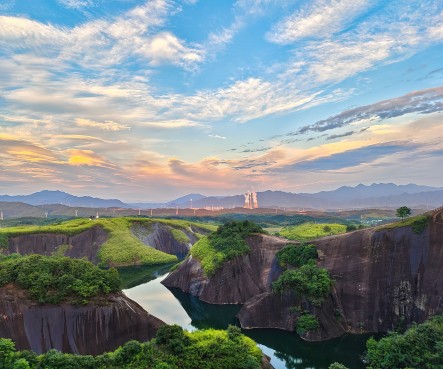
Your journey continues as you depart from your accommodation and travel to Longhu Mountain (龙虎山), a UNESCO Global Geopark and World Heritage site nestled in Yingtan, Jiangxi Province. As one of the birthplaces of Taoism and a sacred mountain of this ancient religion, Longhu Mountain—literally "Dragon and Tiger Mountain"—derives its name from the legend that when Zhang Daoling, the Han Dynasty founder of Taoism, refined his elixir here, dragons and tigers appeared in response . This breathtaking destination seamlessly blends profound spiritual heritage with stunning natural landscapes characterized by classic Danxia landform—reddish sandstone features creating dramatic cliffs and peaks .
Your exploration begins in Shangqing Ancient Town, a thousand-year-old settlement that has been the heart of Taoist culture for centuries. Wandering through its ancient streets, you'll encounter well-preserved Ming and Qing dynasty architecture, charming shops, and the serene rhythm of daily life . Here, you'll visit the magnificent Celestial Master Mansion (Tianshi Fu), the ancestral home of the Zhang family, who have served as Taoism's Celestial Masters for 65 generations across nearly 2,000 years. The mansion complex features ancient camphor trees, halls with intricate carvings, and exhibits revealing the deep connection between Taoism and Chinese imperial history . Nearby stands Zhengyi Temple, where the Zhengyi Taoist sect originated .
Continuing your spiritual journey, you'll explore the archaeological ruins of the Great Shangqing Palace, China's largest Taoist temple, originally built during the Song Dynasty and continuously used until a fire in 1930 destroyed it. Recent excavations have revealed its striking resemblance to Beijing's Forbidden City, with yellow-green tiles and imperial dragon motifs confirming its status as the highest Taoist center in the country, where emperors once worshipped .
The afternoon brings you to the serene Luxi River, where you'll board a traditional bamboo raft for a leisurely drift through the heart of the Danxia landscape. As your skilled boatman poles gently through crystal-clear waters, you'll be surrounded by ninety-nine peaks, twenty-four boulders, and countless strange rock formations, each with poetic names and legendary stories—the "Ten Cannot" rocks that delight visitors with their vivid guises . Along the riverbanks, high on the cliffs, you'll glimpse one of China's great archaeological mysteries: ancient hanging coffins dating from the Spring and Autumn and Warring States periods, suspended over 50 meters above the water . At Xianshuiyan, you can witness a thrilling live performance reenacting how the ancient Yue people placed these coffins, a spectacle that brings this millennium-old mystery to life .
Your day concludes with a visit to the iconic Elephant Trunk Mountain, where a massive natural rock arch resembles an elephant drinking from the river. Walk along the thrilling skywalk that hugs the cliff face, offering 360° panoramic views of the Danxia peaks, the winding river below, and the golden light of late afternoon transforming the landscape into an ink painting . After this immersive day blending Taoist spirituality, ancient mysteries, and breathtaking natural beauty, you'll return to your accommodation in the area, perhaps at a Taoism-themed homestay within the scenic area , with memories of a truly unique Chinese treasure.
Warm Tips
Getting there: Take high-speed train to Yingtan Station or Yingtan North Station. From Yingtan Station, K2 bus (3 yuan, ~30 minutes) direct to scenic area. Taxi from Yingtan North ~20 minutes
Tickets: Panorama combo (admission + sightseeing bus + bamboo raft) ~230 yuan/person. Buying online often cheaper than on-site. Students/seniors eligible for discounts
Hanging coffin performances: Free shows at fixed times (typically 12:00, 14:00, 16:00). Arrive 20 minutes early for good seats
Bamboo rafting: ~40 minutes. Protect electronics from water. Ordinary rafts offer same experience as "mist spray" rafts—no need to pay extra
Walking: Significant walking on uneven ancient streets, temple grounds, and skywalk steps. Sturdy, comfortable shoes essential
Weather: Subtropical climate. Layer up—mornings/evenings cooler year-round. Rain possible—waterproof jacket wise. Summer hot with strong sun
Sun protection: UV present—sunscreen, sunglasses, hat recommended. Limited shade on river and skywalk
Insects: Mosquitoes present near water and forest (summer)—bring strong repellent
Food: Try local specialties—Shangqing tofu, Luxi River fish, chestnut cakes, Yingtan cold noodles. Farmhouse restaurants in Shangqing Ancient Town offer authentic dining
Accommodation: Range from Taoism-themed homestays inside scenic area (180-380 yuan/night) to hotels in Yingtan city. Staying inside recommended for full experience
Respect: Active religious sites—dress modestly, speak quietly. Photography restrictions may apply inside temples
Your journey continues as you depart from your accommodation and travel to Meiling Ancient Village (梅岭古村), a hidden gem nestled in the foothills of Meiling Scenic Area. This well-preserved ancient village offers a glimpse into traditional rural life in Jiangxi, with its winding cobblestone lanes, ancestral halls, and centuries-old dwellings featuring classic Hui-style architecture—white walls, black tiles, and delicate wood carvings. As you wander through the village, you'll discover ancient camphor trees providing shade over peaceful courtyards, stone bridges crossing small streams, and perhaps encounter local villagers going about their daily routines. The tranquil atmosphere, far from tourist crowds, allows you to truly absorb the timeless rhythm of village life. Don't miss the opportunity to climb to a nearby hillside viewpoint for a panoramic perspective of the village's tiled rooftops nestled against the lush green mountains.
Continuing approximately 30 minutes, you'll arrive at Wanshou Palace (万寿宫), one of the most important Taoist temples in Jiangxi Province. Originally built during the Eastern Jin Dynasty (317-420 AD) and dedicated to Xu Xun, a revered Taoist master who legend says achieved immortality and ascended to heaven with his entire household, including his chickens and dogs—giving rise to the idiom "one person attains enlightenment, even his chickens and dogs ascend to heaven" . The palace complex has been rebuilt and expanded throughout history, with the current structures reflecting Ming and Qing dynasty architectural styles. As you enter through the magnificent gate, you'll find yourself in a serene world of red walls, golden tiles, and ancient cypress trees. Explore the main halls dedicated to Xu Xun and other Taoist deities, admire the intricate wood carvings and murals depicting Taoist legends, and absorb the spiritual atmosphere that has drawn pilgrims for over 1,600 years. The palace's location offers beautiful views of the surrounding landscape, making it a place where religious devotion and natural beauty intertwine. After your explorations, you'll return to your accommodation in Nanchang or continue to your next destination.
Warm Tips
Meiling Village: Cobblestone streets uneven—wear sturdy, comfortable shoes. Early morning or late afternoon light best for photography. Respect residents' privacy when photographing.
Wanshou Palace: Active religious site—dress modestly (cover shoulders/knees). Photography restrictions inside main halls—follow signs. Allow 1-1.5 hours.
Drive time: Short transfers—total driving approx 1 hour.
Weather: Subtropical climate, mild year-round. Layer up—mornings/evenings cooler. Rain possible—waterproof jacket wise.
Sun protection: UV present—sunscreen, sunglasses, hat recommended.
Meals: Breakfast [B] included. Lunch flexible—your guide can recommend local options. Dinner your choice in Nanchang.
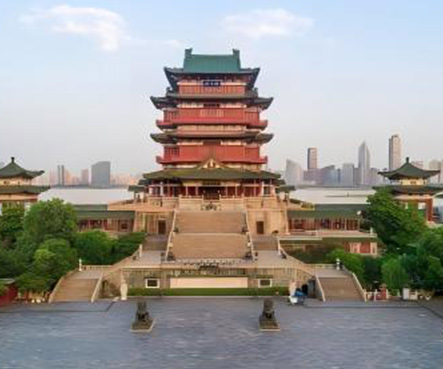
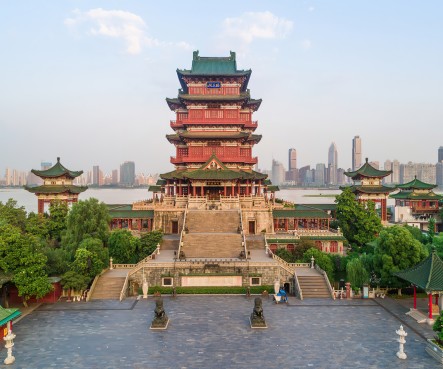
Your day begins as you depart from your accommodation and immerse yourself in the rich history and culture of Nanchang. Your first destination is the iconic Tengwang Pavilion (滕王阁), one of the Four Great Towers of China and the undisputed symbol of Nanchang. Originally built in 653 AD during the Tang Dynasty by Prince Teng, Li Yuanying, this magnificent structure has been destroyed and rebuilt 29 times throughout history, with the current version dating from 1989 . As you ascend its nine floors, you'll be rewarded with breathtaking panoramic views of the Gan River and the modern city beyond. The pavilion's fame was forever sealed by the young poet Wang Bo, who at age 14 penned the timeless "Preface to Tengwang Pavilion" during a banquet here, giving China the immortal line: "The setting clouds fly in company with a lonely wild duck, the autumn river shares a beautiful hue with the vast sky" . Explore the exquisite architectural details, cultural relics, and exhibitions tracing the pavilion's 1,300-year legacy.
Continuing your historical journey, you'll visit Bayi Hall (八一起义纪念馆), housed in the former Jiangxi Grand Hotel where on August 1, 1927, Zhou Enlai, He Long, Ye Ting, Zhu De, and Liu Bocheng launched the Nanchang Uprising—the first major armed resistance against the Kuomintang and the birth of the People's Liberation Army . The meticulously restored building preserves the original meeting rooms and living quarters, while extensive exhibits use multimedia and artifacts to bring this revolutionary moment to life. You'll stand in the very rooms where history was made and gain deep insight into the founding of the modern Chinese military.
From there, you'll proceed to Bayi Square (八一广场), the second largest city square in China and the spiritual heart of Nanchang. Dominated by the towering Memorial Tower to the Heroes of the Nanchang Uprising, the square serves as both a gathering place for locals and a solemn reminder of the city's revolutionary heritage. You'll have time to admire the tower's inscriptions from Marshal Ye Jianying, watch locals flying kites or practicing tai chi, and absorb the atmosphere of this historic space.
Your final stop is Shengjin Pagoda (绳金塔), a thousand-year-old Buddhist pagoda first built during the Tang Dynasty (904-907 AD) and rebuilt in the Qing Dynasty (1872) after multiple destructions . Legend tells of a monk who dug here and found iron ropes, gold pots, and 300 Buddhist relics, giving the pagoda its name . Standing at 50.86 meters with seven octagonal stories, its distinctive Ming-style architecture features flying eaves, wind chimes, and intricate carvings. Climb for views of the surrounding Shengjin Pagoda Food Street, where you can explore a vibrant pedestrian area filled with local snacks, shops, and traditional performances. After this full day traversing 1,300 years of Nanchang history—from Tang poetry to revolutionary heroism—you'll return to your accommodation, enriched by the city's remarkable stories.
Warm Tips
- Tengwang Pavilion: 50 RMB admission. Allow 2 hours. Best photos late afternoon light. Night illuminations spectacular. Avoid holidays for crowds .
- Bayi Hall: Free admission with ID. Closed Mondays. Allow 1.5 hours. Photography permitted but no flash near artifacts.
- Bayi Square: Open public space. Memorial tower base offers historical inscriptions. Evenings lively with fountains and locals.
- Shengjin Pagoda: 20 RMB admission. Food street adjacent perfect for lunch/dinner exploration. Try local specialties like Nanchang rice noodles and Wuchang tofu .
- Walking: Significant walking between sites. Comfortable shoes essential. Taxis or subway easily connect attractions.
- Weather: Subtropical climate. Layer up—mornings/evenings cooler year-round. Rain possible—waterproof jacket wise.
- Sun protection: UV present—sunscreen, sunglasses, hat recommended for outdoor sites.
- Meals: Breakfast [B] included. Lunch flexible—Shengjin Pagoda Food Street offers abundant options. Dinner your choice in Nanchang.
- Accommodation: Return to Nanchang hotel. Hot water generally reliable.
Your journey concludes as you prepare to depart from your current location via high-speed rail. After breakfast at your hotel, you'll be transferred to the local high-speed railway station for your train connection back to your final destination. The high-speed rail journey offers a comfortable and efficient way to travel, with spacious seating, smooth ride quality, and the opportunity to watch the changing landscapes of Jiangxi Province unfold outside your window—from urban centers to rural countryside, from mountains to rivers. As you glide toward your destination, you'll have time to reflect on the incredible experiences of your journey through this culturally rich region. Upon arrival at your destination, this memorable exploration of Jiangxi's treasures comes to a close.
Warm Tips
Train departure: Confirm train time with your guide. Arrive at station 1 hour before departure. Have ID and ticket ready.
Documents: Double-check passport, tickets, valuables before checkout.
Luggage: High-speed trains have luggage racks—keep valuables with you.
Snacks: Bring water and light snacks for journey; dining cars available on longer routes.
Weather transition: Your destination climate may differ—layer accordingly.
Meals: Breakfast [B] included at hotel. Lunch/dinner en route your own expense.
Rest: Travel day tiring—allow recovery time upon arrival.
Included/Exclude
Cost Includes
- Pick and Drop Services
- Meals Included in the Itinerary
- Travel Insurance
- Admission Tickets
- Tour Guide Service
- Provide free drone photography service
- 4-Diamond Comfort Hotel
Cost Excludes
- Chinese Visa
- Flight Tickets
- Single Room Supplement
- Meals Not Specified in the Itinerary
Frequently Asked Questions
We will offer you the most favorable price based on your itinerary and destination! Whether it’s an impromptu short-distance getaway nearby, a long-haul in-depth tour across mountains and seas, a family-friendly vacation with your loved ones, or a team-building trip with your colleagues, we will provide a precise quote tailored to your unique needs. We reject hidden costs and tricky discount schemes, and with transparent pricing and premium services, we help you fulfill a cost-effective travel dream.
From the moment you inquire about the itinerary until the successful conclusion of your journey, our professional team will be dedicated to providing you with the highest-quality service. Whether it comes to route planning, hotel selection, dining arrangements, seamless transportation connections throughout the trip, or emergency support, we will adhere to meticulous service standards and professional protocols to create a tailor-made, worry-free travel experience for you, ensuring every moment of your journey is filled with peace of mind and joy.
We craft tailor-made journeys with professional expertise and fulfill wonderful travel memories with premium services. From itinerary planning to round-the-clock support, we focus on every single detail, dedicated to delivering a comfortable, reassuring and satisfying travel experience that exceeds your expectations.