
Jiangxi, a land of treasures and talents, boasts picturesque landscapes, profound culture and glorious revolutionary history.
Jiangxi boasts a wide array of tourist attractions scattered across the province. From Mount Lushan and Poyang Lake in the north, to Nanchang and Jingdezhen in the central region, then to Ganzhou and Ruijin in the south, as well as Wuyuan and Mount Sanqing in the east—each destination exudes its own unique charm. You can choose an appropriate travel route based on your personal interests and available time.
Must-Visit Attractions in Jiangxi
Tengwang Pavilion Tourist Area
Address: No. 58 Archaic Street, Donghu District. As one of China’s Four Great Ancient Towers, it has gained worldwide fame thanks to Wang Bo’s Preface to the Tengwang Pavilion. Climb the tower to overlook the magnificent scenery of the Ganjiang River and marvel at the spectacular sight described in the line “The falling sunset glows with the lone wild duck flying side by side; the autumn river blends seamlessly with the boundless sky.” The scenic area also houses numerous historical and cultural exhibitions, allowing you to deeply explore the tower’s historical changes and cultural connotations.
Nanchang Haohun Marquis State Ruins Park (Western Han Dynasty)
Address: No. 1 Zijin Avenue, Xinjian District. This is the burial site of Liu He, the Haohun Marquis of the Western Han Dynasty. A large number of cultural relics such as gold artifacts, jade objects, and bamboo slips have been unearthed here, presenting the brilliant civilization of the Western Han Dynasty. It feels like traveling back in time to experience the legend of this thousand-year-old marquis state.
Lushan Mountain Scenic Area
Famous worldwide for its grandeur, wonder, precipice, and elegance, Lushan Mountain has long held the reputation of “Lushan’s extraordinary beauty is unrivaled under heaven.” It is home to spectacular waterfalls, such as the Sandiequan Waterfall with a drop of 155 meters, boasting imposing momentum. There are also beautiful lakes like Ruqin Lake, where the clear water is surrounded by mountains, creating a delightful landscape. Additionally, Lushan Mountain preserves many historical and cultural relics, including the former site of the Lushan Conference.
Poyang Lake
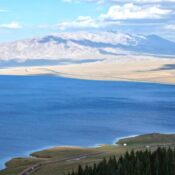
As China’s largest freshwater lake, Poyang Lake witnesses a large number of migratory birds overwintering here every winter, forming a spectacular migratory bird spectacle. You can visit the Poyang Lake National Nature Reserve to watch rare bird species like white cranes and swans, and appreciate the magic and harmony of nature.
Wuyuan Huangling Scenic Area
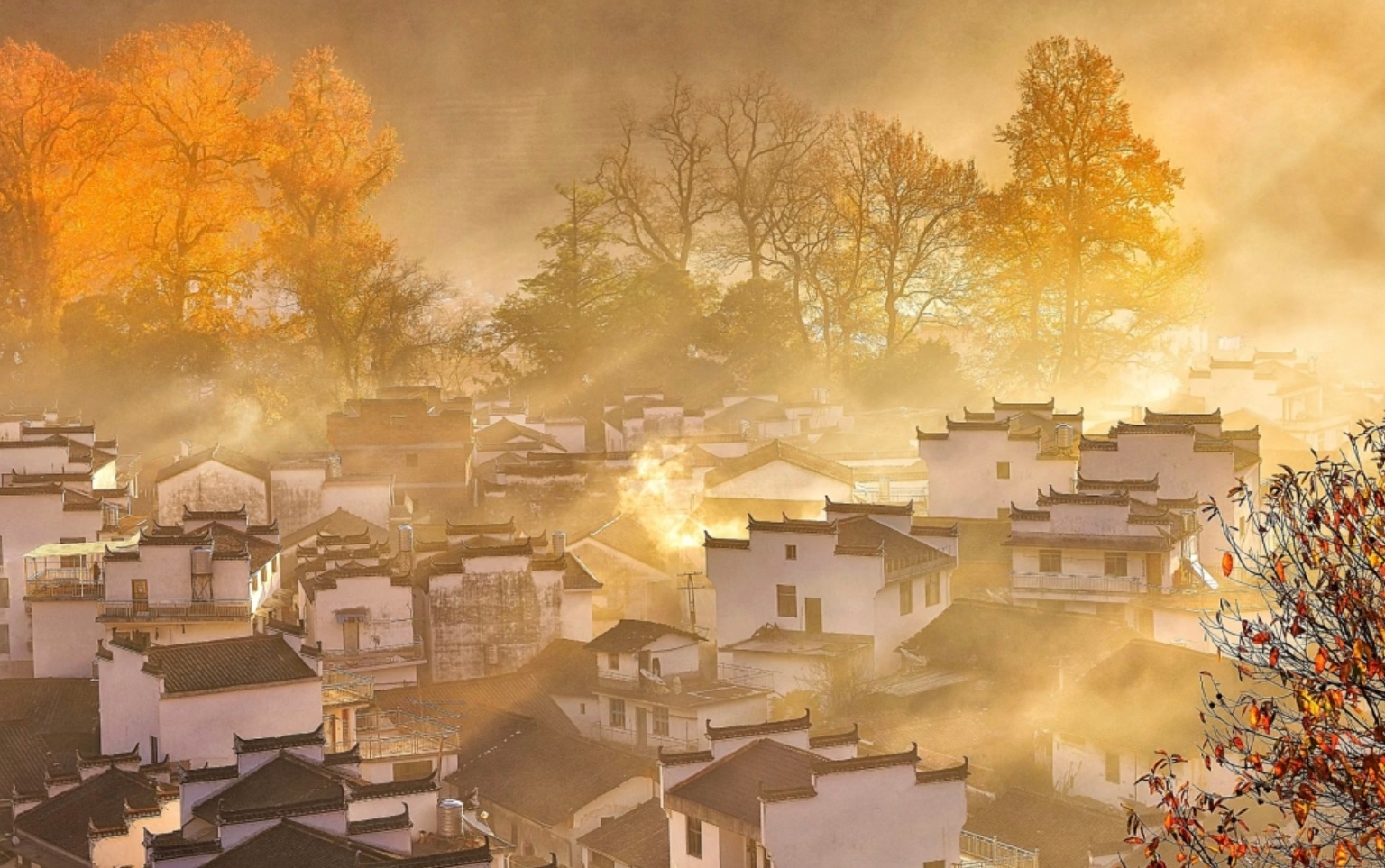
Address: Dafeng Lane, Jiangwan Town, Wuyuan County. The scenic area features unique Gaoling terraced flower seas. Every spring, when rapeseed flowers are in full bloom, the layered terraces set against the Huizhou-style buildings with white walls and black tiles form a stunning pastoral picture. Moreover, there are folk activities like autumn drying in the scenic area, which are full of strong local characteristics.
Wangxian Valley
Address: County Road 636, Wangxian Township, Guangxin District. The valley is covered with dense vegetation and dotted with cascading waterfalls, presenting extremely beautiful scenery. Its buildings are uniquely styled, modeled after the Huizhou-style architecture of the Ming and Qing dynasties and integrated with modern design concepts, creating a fairy-tale – like tourist destination. At night, the valley is brilliantly lit, just like a fairyland.
Taoyangli Tourist Area
Address: No. 187 Zhushan Middle Road, Zhushan District. It has abundant imperial kiln relics from the Ming and Qing dynasties, making it an ideal place to learn about China’s ceramic culture. Here, you can watch the entire process of ceramic making, admire exquisite ceramic artworks, and even experience ceramic making by yourself to feel the charm of this millennium – old porcelain capital.
Pingxiang Wugong Mountain Scenic Area
A tourist resort that combines cultural and natural landscapes, it is famous for its alpine meadows, sea of clouds, and sunrise views. It is perfect for hiking and camping. You can climb Wugong Mountain along the hiking trails and enjoy the beautiful scenery along the way. After reaching the top, you can camp in a tent and wait for the sunrise, embracing the magic and beauty of nature.
Best Time to Visit Jiangxi
Spring (March–May)
During this season, Jiangxi enjoys mild and rainy weather with temperatures ranging from 15℃ to 25℃, making it an ideal time for flower viewing and spring outings. From March to April, the terraced fields in Wuyuan blanketed with golden rapeseed flowers set against the white walls and black tiles of Huizhou-style architecture look just like an oil painting. Between April and May, the ten-li azalea corridor on Jinggangshan bursts into fiery bloom, creating a spectacular scene. In addition, you can visit Lushan Mountain to admire the mist-shrouded landscapes and alpine azaleas.Autumn (September–November)
Autumn in Jiangxi is crisp, dry and pleasant, with temperatures between 18℃ and 28℃, and a significant temperature difference between day and night. From September to November, the colorful drying trays and red persimmons hanging in the ancient villages of Wuyuan Huangling form the unique autumn drying scenery—the village has even been listed as one of the World’s Best Tourism Villages. From October to November, the maple leaves on Lushan Mountain and Jinggangshan turn the mountains into a riot of red and gold; the autumn scenery at spots like Wulaofeng (Five Old Men Peak) and Huangyangjie is absolutely breathtaking. Meanwhile, Millennium-old ginkgo trees shed their golden leaves in Nanchang Meiling and Jiujiang Ancient Ginkgo Park, painting picturesque autumn vistas.If you are looking for a summer retreat or want to see magnificent waterfalls, summer (June–August) is also a great option. Mountainous areas such as Lushan Mountain and Sanqing Mountain offer cool and refreshing temperatures. As for winter (December–February), you can head to Lushan Mountain to marvel at the wonders of rime and frozen waterfalls, or relax with a therapeutic hot spring soak in places like Mingyue Mountain in Yichun.
Jiangxi Cuisine Recommendations
-
Clay Pot SoupA traditional signature soup of Jiangxi, it is simmered slowly over charcoal fire in an earthen clay pot. Ingredients are placed into the clay pot with an appropriate amount of water, then cooked low and slow. The soup has a rich, savory broth, delicious flavor and abundant nutrition. There are various flavors to choose from, such as minced pork soup and egg soup.
-
Steamed Pork with Rice FlourSelect streaky pork, slice it thinly, mix well with rice flour and seasonings, then steam it in a bamboo steamer until fully cooked. The pork is tender and juicy, rich yet not greasy. The rice flour absorbs the meat’s oil and aroma, resulting in a soft and glutinous texture that is simply delightful.
-
Stir-Fried Artemisia Selengensis with Cured PorkArtemisia selengensis is a specialty vegetable from Poyang Lake, with a unique fresh fragrance. When stir-fried together with cured pork, the salty aroma of the pork blends perfectly with the fresh scent of the artemisia selengensis, creating a delicious flavor. It is a classic Jiangxi dish.
-
Jingdezhen Cold Rice NoodlesA local specialty snack of Jingdezhen, the cold rice noodles boast a smooth and slippery texture. There is a wide range of seasonings available, including chili oil, soy sauce and vinegar. You can adjust the seasoning according to your own taste, and add toppings like dried radish and peanuts to enrich the flavor.