You can never fully grasp how vast China is until you visit Xinjiang; you can never truly appreciate how magnificent its mountains and rivers are until you explore the Western Regions.
Xinjiang, located in the northwest border area of China, is the country’s largest provincial-level administrative region in terms of land area. This vast land encompasses nearly all landforms on Earth — snow-capped mountains and glaciers, forests and grasslands, Gobi deserts, lakes and wetlands, and Danxia canyons interweave and coexist here.
Xinjiang’s tourism resources can be roughly divided into three major regions — Northern Xinjiang, Southern Xinjiang and Eastern Xinjiang — each boasting its own unique features.
Northern Xinjiang
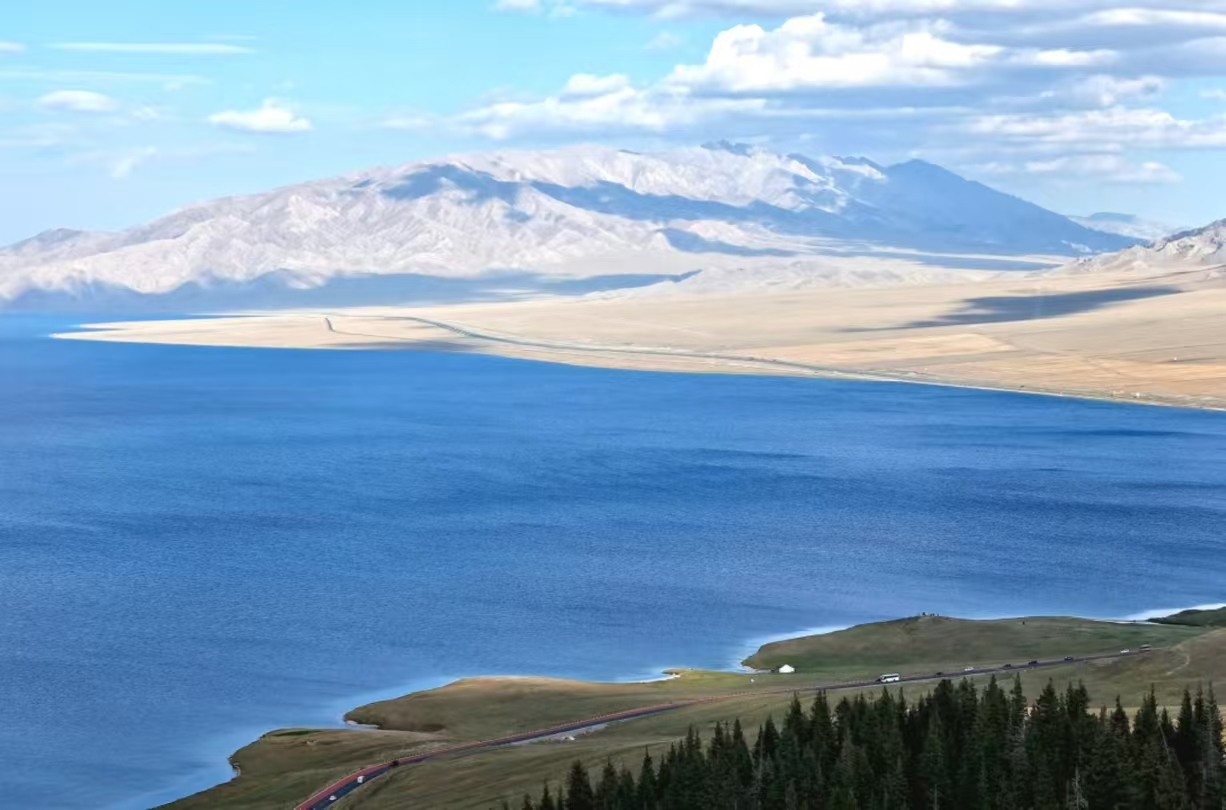
Famed for its breathtaking natural scenery, it is a top tourist destination in Xinjiang. Covering regions like Altay (Kanas Lake, Hemu Village), Ili (Narat Grassland, Sayram Lake) and Changji (Tianchi Lake of Tianshan Mountain, Jiangbulak Scenic Area), the stunning combination of snow-capped mountains, crystal-clear lakes, lush grasslands and dense forests is nothing short of spectacular. It is perfect for travelers who adore natural landscapes.
Southern Xinjiang
Highlighting profound cultural customs and desert wonders, it serves as the core area to experience the Silk Road culture and ethnic traditions. Including places such as Kashgar (Ancient City of Kashgar, Pamir Plateau), Hotan (Yulong Kashgar River, Ancient Silk Road Sites) and Aksu (Tarim Populus Euphratica Forest, Kizil Thousand-Buddha Caves), the unique charm of the Western Regions is woven by boundless deserts, resilient populus euphratica trees, time-honored ancient cities and sacred religious buildings.
Eastern Xinjiang
Featuring distinctive landforms and immersive folk experiences, it encompasses Turpan (Flaming Mountains, Grape Valley) and Hami (Barkol Grassland, Hami Ghost City). Here, visitors can find both extremely arid deserts and Gobi deserts, as well as a land of sweet fruits. It is a convenient choice to experience the diverse climates and rich folk customs of Xinjiang.
Xinjiang Cuisine Recommendations
Lamb KebabsThe iconic “business card” of Xinjiang cuisine. Fresh lamb leg or tenderloin is cut into chunks, skewered on iron sticks, sprinkled with salt, cumin and chili powder, then grilled over charcoal. Crispy on the outside and tender on the inside, the kebabs are aromatic, fatty but not greasy—an ubiquitous delicacy on streets and bazaars.
Polo (Hand-Gripped Rice)A daily staple for locals, made with rice, lamb, carrots and onions stir-fried in lamb fat then braised. The golden rice absorbs the rich flavors of lamb and carrots, offering a soft and glutinous texture. Serve with cold sliced piyaz (onion salad) to refresh the palate and stimulate appetite.
Big Plate ChickenA signature hearty dish. Chunks of free-range chicken are stir-fried with potatoes, green peppers and onions, then simmered in a secret sauce until fully infused. Generously portioned, the chicken is firm and juicy while the potatoes are soft and sweet. Toss in wide pulled noodles to soak up the spicy broth for an irresistible kick.
Samsa (Roasted Stuffed Buns)A traditional Uyghur snack with a thin, crispy unleavened crust. The filling consists of diced lamb, minced onions, salt and cumin, mixed well then wrapped and baked in a tonur (clay oven). Golden and crunchy when freshly baked, the buns release an intense aroma—best enjoyed hot.
NaanA time-honored staple with over 2,000 years of history, available in diverse varieties: plain naan, oil naan, meat naan and sesame naan. Made through fermentation, rolling and baking, it is crispy, easy to store and portable. Enjoy it alone or pair with grilled meat and stews—perfect for travels.
Lamb Offal SoupA comforting winter choice. Cleaned and chopped lamb offal (heart, liver, lungs, intestines) is boiled in rich broth and seasoned to taste. The soup is savory and aromatic, with tender and flavorful offal. Serve with a piece of naan for a warm, nourishing meal.
Hami Melon / GrapesXinjiang’s fruits are renowned for exceptional sweetness, thanks to long sunshine hours and large temperature differences between day and night. Hami melon has a smooth, juicy flesh, while grapes offer diverse textures—such as seedless white grapes and “horse milk” grapes. These fresh-picked fruits are like “natural desserts” that linger on the tongue.
Best Time to Visit Xinjiang
Spring (March–May)
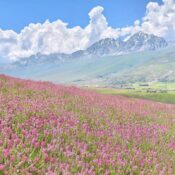
Head to Turgen Apricot Valley in Ili to admire wild apricot blossoms blanketing the mountains, forming a stunning picture with grasslands and snow-capped peaks. By May, Narat Grassland starts to turn green—you can enjoy the early grassland scenery and avoid the summer crowds.
Summer (June–August)
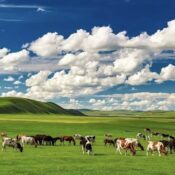
This is the golden tourist season in Northern Xinjiang. Visit Sayram Lake (carpeted with wildflowers), Narat Grassland (lush green pastures) and Kanas Lake (crystal-clear waters). You can also go to Turpan to escape the heat in the cool Grape Valley and experience the scorching heat of Flaming Mountain.
Autumn (September–November)
Explore Kanas and Hemu to feast your eyes on golden forests and azure lakes. October to November is the prime time to visit Tarim Populus Euphratica Forest in Southern Xinjiang, where golden poplars and deserts create a breathtaking landscape. Besides, Kashgar boasts pleasant autumn weather, perfect for immersing yourself in the charm of the ancient city.
Winter (December–February)
Xinjiang transforms into a wonderland of ice and snow. Head to the Altay region (Kanas and Hemu) to admire rime and snow scenery, and try activities like skiing and horse-drawn sledding. You can also hit the slopes at Urumqi Nanshan Ski Resort. In addition, Kashgar Ancient City is free from the hustle and bustle of crowds in winter, exuding tranquility—you can even experience the unique ethnic New Year customs.