
Tibet! Short of oxygen but never short of faith! Wander along Barkhor Street with the pilgrims circumambulating the sacred site— the aroma of butter tea can soothe all symptoms of altitude sickness.
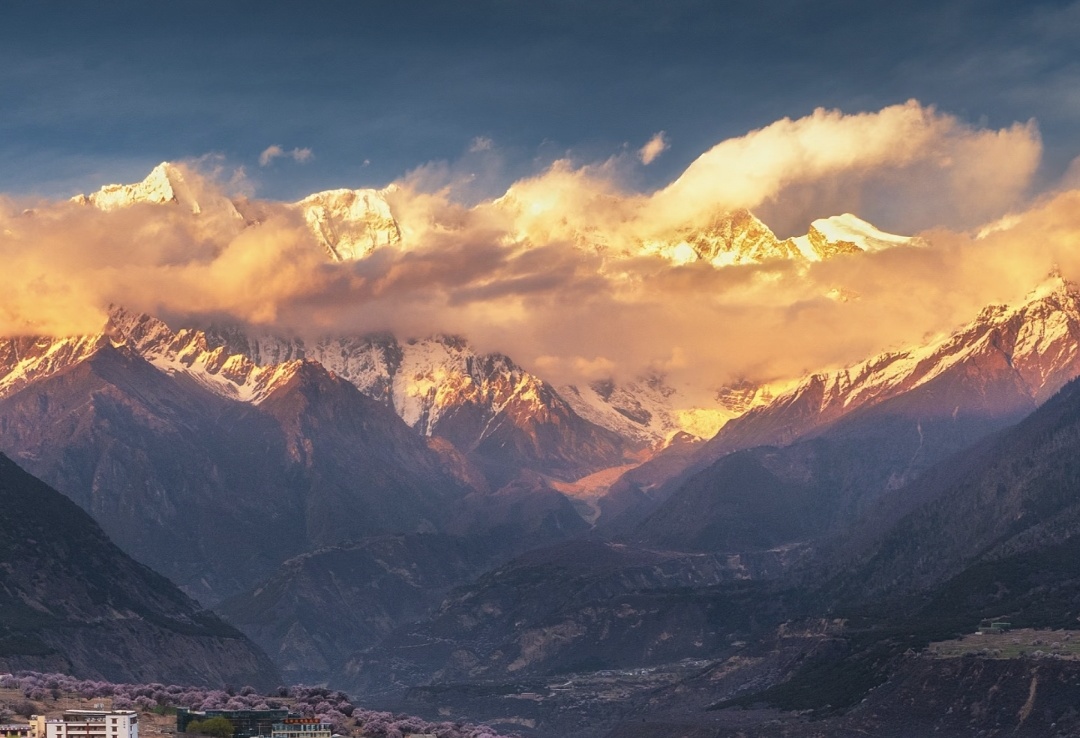
Tibet, perched on the summit of the snow-capped plateau, is a sacred pilgrimage destination cherished in the hearts of countless travelers. Here, the sky is exceptionally clear and the clouds feel within arm’s reach; Mount Qomolangma pierces the sky, and Mount Kailash remains snow-clad all year round, embodying the unparalleled grandeur and magnificence of the plateau.The waters of Nam Co sparkle like a blue gem, and the curves of Yamdrok Lake flow as gracefully as a silk ribbon. Prayer flags flutter vigorously along the lake shores, whispering tales of faith that have endured for thousands of years. The Potala Palace stands majestically atop the Red Hill, its white walls and golden roofs gleaming brightly in the sunlight. Inside the palace, the murals and Buddha statues hold the profound weight of centuries-old Tibetan culture.
Must-Visit Attractions in Tibet
1. Potala Palace
Known as the “Pearl of the Roof of the World”, the Potala Palace stands majestically under the blue sky and white clouds with its red walls and golden roofs. Climb up the thousand-step stone staircase: the corridors of the White Palace display traces of history, while the Buddha halls in the Red Palace enshrine precious Buddha statues and scriptures. From the top, overlook Lhasa City— the pilgrims circumambulating Barkhor Street resemble a flowing galaxy. Sit in the Potala Palace Square in the evening, watching the golden roofs glow more brilliantly in the setting sun. The creaking sound of rotating prayer wheels mingles with the distant chanting of scriptures, as if traveling through a thousand years to feel the sacredness and solemnity of Tibet.
2. Namtso Lake
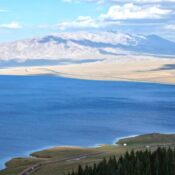
Namtso, meaning “Heavenly Lake” in Tibetan, boasts sapphire-like blue waters that complement the distant Nyainqêntanglha Mountains beautifully. Wander along the lakeshore: the water laps against the gravel, making a clear sound; yaks graze leisurely by the lake, and migratory birds hover low over the water surface. Watch the sunrise at dawn— the sun dyes the lake orange-red, and the snow-capped peaks of the Nyainqêntanglha Mountains shimmer with golden light. Stay in a lakeside tent at night: look up to see a sky full of stars, with the Milky Way stretching clearly across the sky, as if you can touch the vastness of the universe with your hands.
3. Yamzho Yumco Lake
Hailed as “the turquoise earrings scattered by the goddess”, Yamzho Yumco Lake presents various shades of blue— from light blue to deep blue— with rich layers as the light changes. Drive along the lakeside highway: every bend reveals a unique view. Tibetan villages by the lake curl with cooking smoke, and herdsmen drive flocks of sheep to migrate on the grassland. Stand on the viewing platform and look far away— the lake winds around the mountains like a blue silk ribbon. Snow-capped mountains, lakes and grasslands form a stunning picture that enchants visitors deeply.
4. Nyingchi
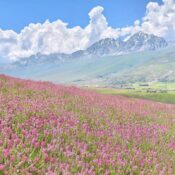
Known as “Tibet’s Jiangnan”, Nyingchi has a lower altitude and humid climate, boasting distinct scenery in four seasons. In spring, peach blossoms bloom all over the mountains in Bomi— the pink flower sea, green highland barley fields and white snow-capped mountains set off each other, like a fairy-tale world. In summer, the Lulang Forest is lush and green, with clouds and mist lingering among the trees; wandering through it feels like being in a natural oxygen bar. In autumn, the trees along the Nyang River turn golden, and the clear river reflects the colorful forests on the banks. In winter, the water of Basum Tso Lake remains green, and the surrounding snow-capped mountains are covered in white, peaceful and beautiful.
5. Tashilhunpo Monastery
Regarded as “the treasure of western Tibet”, Tashilhunpo Monastery is one of the Six Great Monasteries of the Gelugpa sect of Tibetan Buddhism. The monastery’s buildings are magnificent, scattered neatly on the hillside. The Great Maitreya Hall houses the world’s largest seated bronze Buddha statue, standing 26.2 meters tall, with a solemn and kind expression. Walk along the monastery’s circumambulation path: pilgrims keep coming and going, prayer flags flutter in the wind, and stupas shine golden in the sun. In the evening, the monastery’s bell rings, echoing in the valley, calming people’s hearts and allowing them to feel the profound cultural heritage of Tibetan Buddhism.
Best Time to Visit Tibet
Spring (March–May)
This is the prime season for peach blossom viewing—blooms blanket the mountains in Nyingchi, Bomi and downtown Nyingchi. Meanwhile, temperatures in other regions rise gradually, paired with clear skies, making it ideal for visiting Lhasa, Xigazê and beyond. However, some high-altitude areas in Tibet still experience snowfall in spring, which may cause icy roads. Travelers should prioritize safety and pack warm clothing.Summer (June–August)
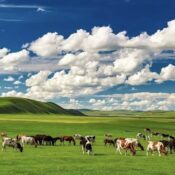
Summer is Tibet’s rainy season, with most precipitation concentrated in regions like Nyingchi and Shannan. Fortunately, rains mostly fall at night and do not disrupt daytime excursions. During this period, Tibet’s grasslands turn lush green, and lakes including Namtso and Yamzho Yumco boast stunning scenery. With pleasant average temperatures ranging from 15℃ to 25℃, summer is a peak travel season. Note that ultraviolet radiation is intense—make sure to take sun protection measures. Additionally, natural disasters like mudslides and landslides may occur in some areas; always check weather and road conditions before departure.Autumn (September–November)
Autumn is widely regarded as Tibet’s golden tourist season. The weather is sunny and clear, with fresh air and high visibility, showcasing snow-capped mountains, lakes and grasslands in their most magnificent form. Nyingchi’s forests burst into vibrant autumn hues, the Tashilhunpo Monastery in Xigazê appears more solemn under the autumn sun, and Namtso’s waters shine like sapphires. Temperatures drop gradually, and the day-night temperature difference is significant. Pack warm clothes, and prepare for possible snowfall in high-altitude areas.Winter (December–February of the Following Year)
Winter is Tibet’s off-season. Most regions are covered in snow, highlighting the grandeur of snow-capped mountains. Sites like the Potala Palace and Tashilhunpo Monastery see fewer visitors, making it perfect for travelers who prefer tranquility and wish to experience Tibetan Buddhist culture deeply. Temperatures plummet drastically in winter, dropping below -20℃ in some areas—strict cold protection measures are a must. Furthermore, some high-altitude scenic spots (e.g., Namtso, Everest Base Camp) may be closed; always confirm the opening status of attractions before traveling.
Tibetan Cuisine Recommendations
-
Butter TeaMade with butter, brick tea and salt, it is prepared by boiling brick tea first, then adding butter and salt, and churning repeatedly in a tea churn until emulsified. Butter tea has a rich, mellow taste with well-balanced saltiness and aroma. It not only relieves symptoms of altitude sickness but also replenishes energy. As an indispensable daily drink for Tibetans, it is usually served with zanba, warming both the heart and stomach.
-
Zanba (Roasted Highland Barley Flour)The main ingredient is roasted highland barley flour. To eat, mix it with a small amount of butter tea, milk dregs and sugar, then knead it into balls by hand. Zanba has a firm texture with a delicate fragrance of highland barley. Nutritious and easy to carry, it is a traditional staple food of Tibetans, ideal for replenishing energy during plateau travels.
-
Dried Yak MeatMade from free-range plateau yak meat through marinating, sun-drying and other processes, it features tight, chewy meat with a rich flavor that preserves the authentic taste of yak meat. Rich in protein and low in fat, dried yak meat is a high-quality snack for plateau trips—it satisfies cravings and supplements nutrition at the same time.
-
Tibetan NoodlesThe noodles are made from highland barley flour, boasting a chewy texture. The soup base is usually simmered from yak meat broth, with a small amount of Tibetan radish and beef slices added. Tibetan noodles taste delicious, light and non-greasy. As one of Tibetans’ favorite staple foods, it pairs perfectly with a cup of butter tea.
-
Sweet TeaMade with milk, black tea and sugar, it is crafted by boiling black tea, then adding milk and sugar, stirring well and boiling again. Sweet tea has a sweet, mellow taste with a strong milky aroma. More palatable to tourists than butter tea, it quenches thirst and boosts energy. It is a common drink found on the streets of Tibet.