

9-Day Tiger Leaping Cliff in Yunnan
9 Days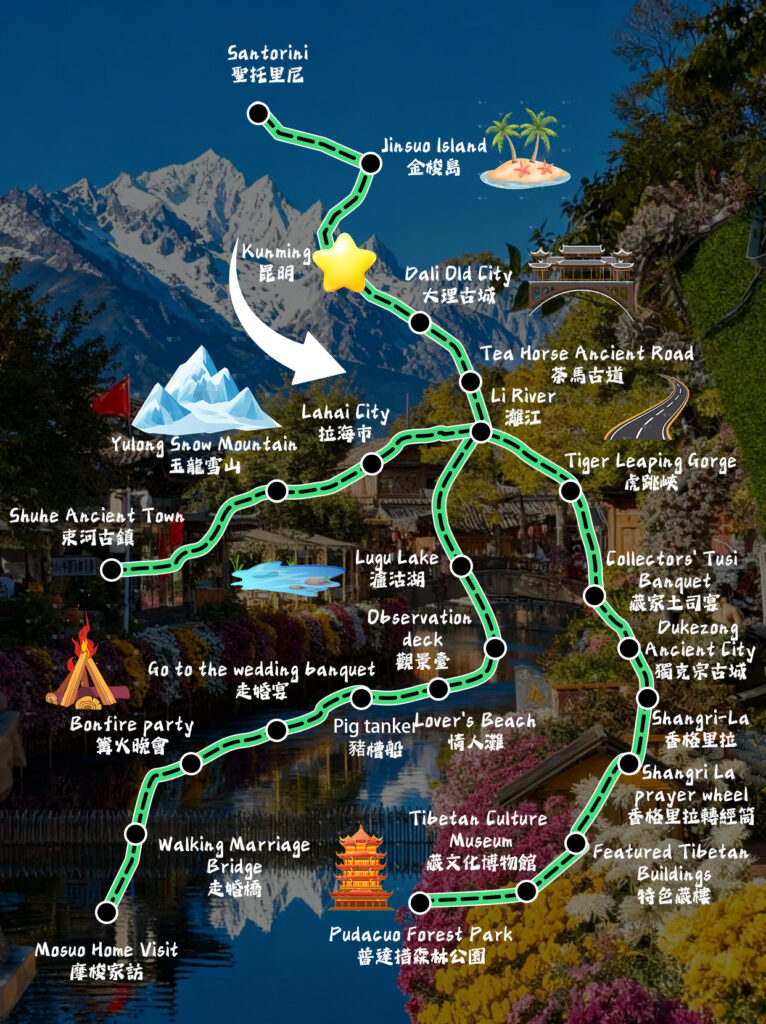
Included/Exclude
Cost Includes
- Pick and Drop Services
- 1 Meal Per Day
- Provide free drone photography service
- Ctrip 3-Diamond Comfort Hotel
Cost Excludes
- Additional Services
- Insurance
- Food & Drinks
- Tickets
Trip Info
-
4 Star Hotel
-
Availability
-
Availabe
-
6688m
-
Guided
-
English, Japanese
-
VISA, Master Card
-
Bus, Taxi
-
5-6 Hours
-
Available
Why go?
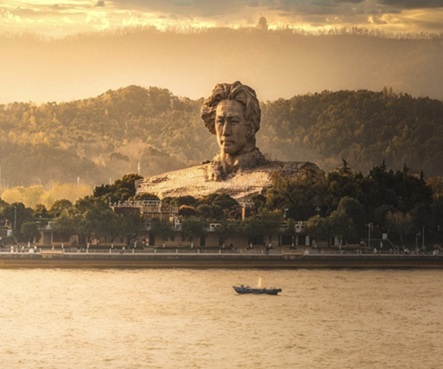
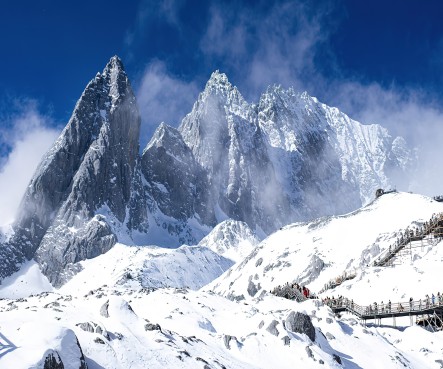
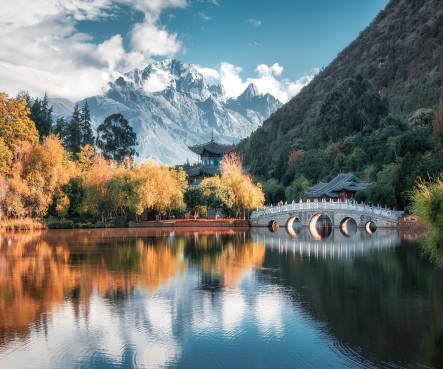
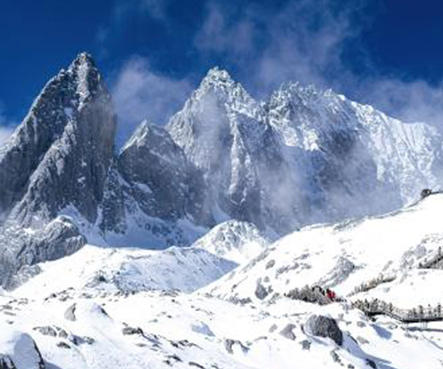
blow the evening breeze from the ancient city of Dali, listen to the waves at the Tiger Leaping Gorge, plunge into the blue water of Lugu Lake, and finally step on the clouds of Yulong Snow Mountain — wrap all the lakes, ancient cities and snow mountains in Yunnan on this journey. Even the fireworks from Lishui Sands didn’t fall
Tour Highlights
- Holiday with friends & family.
- As many activities & excursions as can be fitted in to your trip.
- Go any day of the week and most times of the year.
Tour Plan
Arriving in Kunming
Upon arriving in Kunming, the "Spring City" of China, via Kunming Changshui International Airport, you will be greeted by your guide or driver, who will be holding a sign to welcome you. After a brief welcome, you will be transferred to your hotel in the city center. The remainder of the day is free for you to rest and begin adjusting to the local environment.
Warm Tips
Altitude: ~1,890m. Low sickness risk, but strong UV, big day-night temp swings.
Day 1: Rest upon arrival, hydrate, avoid overexertion.
Shower: Skip first night to help body adjust.
Dress: Layers best for changing temps.
Hot water: Solar heating may fluctuate—please understand.
Hotel: Comfortable, modern amenities, local charm. May differ from international cities.
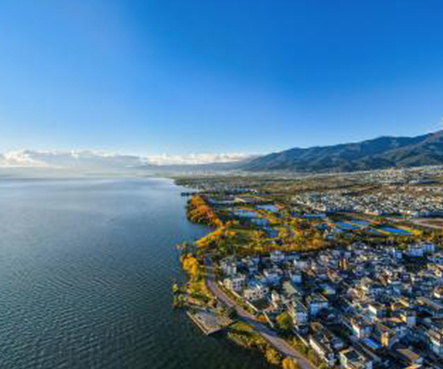
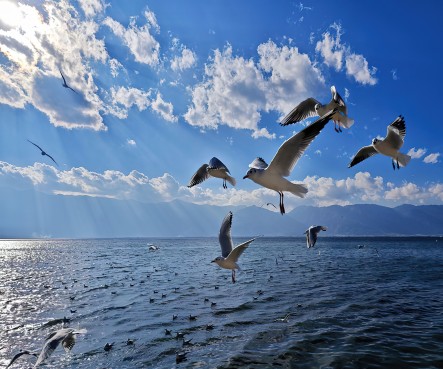
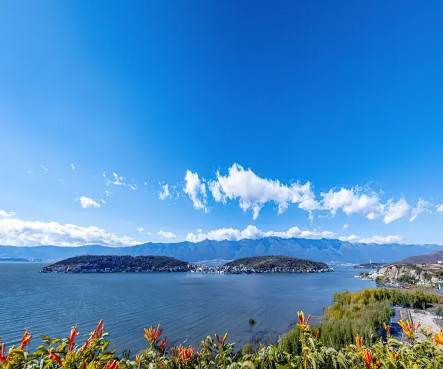
Your journey begins as you board the high-speed train in Kunming for a scenic ride to Dali, passing through the picturesque countryside of Yunnan. Upon arrival at Dali Railway Station, your local guide or driver will greet you, holding a sign to offer a warm welcome. From there, you will proceed to the pier and embark on a cruise across Erhai Lake to Jinsuo Island, a charming islet known for its traditional fishing villages, limestone caves, and tranquil waterfront views. Explore the island's narrow pathways, visit the ancient caves, and enjoy the serene atmosphere away from the crowds. After your island exploration, you will continue to the Santorini-style architectural complex overlooking Erhai Lake—a stunning recreation of Greek island aesthetics with whitewashed buildings, blue domes, and breathtaking panoramic views of the lake and surrounding mountains. This is a perfect spot for photography and leisurely strolls. Following your visit, you will be transferred to your hotel in the Dali area for check-in, with the remainder of the day free to rest or begin exploring Dali's ancient charm at your own pace.
Warm Tips
Transport: High-speed train ~2–2.5 hrs, scenic. Boat 30–40 min, wear life jacket if required.
Jinsuo Island: Uneven stone paths, steps. Sturdy shoes. Caves dim/slippery—watch step. Respect locals.
Santorini complex: Bright glare. Sunscreen, hat, sunglasses. Stairs/walkways for lake views.
Altitude: ~2,000m. Low sickness risk, strong UV, temp swings. Dress in layers.
Shower: Skip first night if new to altitude. OK if already acclimatized.
Breakfast: [B] included. Confirm timing.
Lunch: Not included. Guide can recommend local Bai cuisine.
Hot water: Solar may fluctuate—please understand.
Hotel: Local charm, may differ from big city hotels.
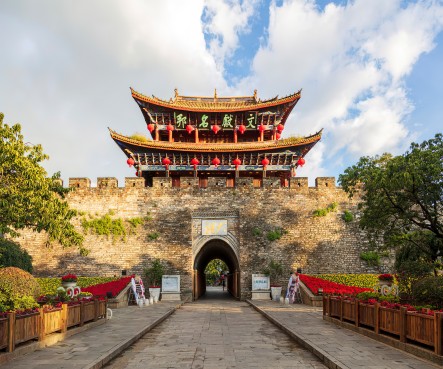
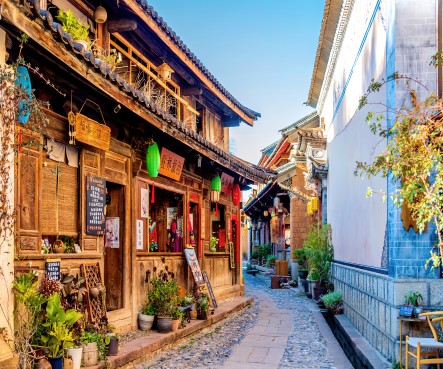
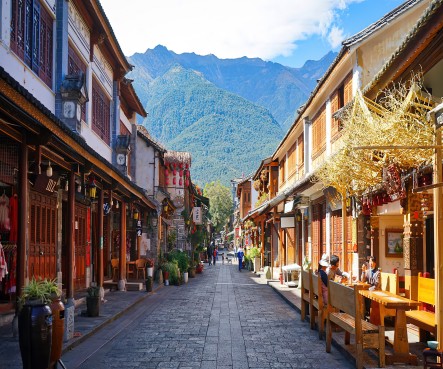
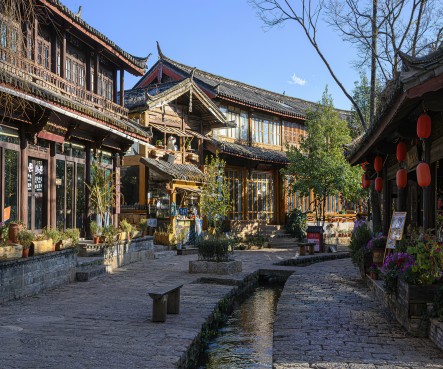
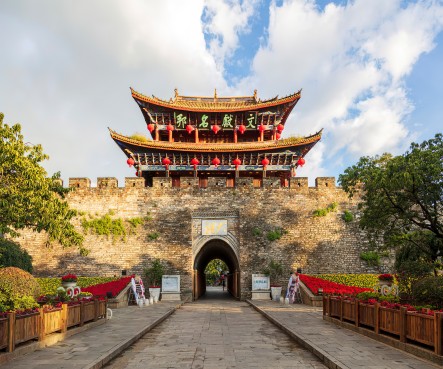
Your day begins as you depart from the historic Dali Ancient City , with its well-preserved architecture and vibrant atmosphere. From there, you'll journey to the renowned S Bay , a picturesque curve along Erhai Lake that has become one of Yunnan's most Instagram-worthy destinations. Here, you can stroll or cycle along the lakeside promenade, with the serene waters of Erhai on one side and the majestic Cangshan Mountains on the other. The bay's gentle arc creates stunning reflections and photo opportunities, especially during the golden morning light. Continuing your journey, you'll visit a traditional Silversmith Village , where the ancient artistry of Bai ethnic silversmiths has been preserved for generations. Watch skilled artisans transform raw silver into intricate jewelry and ornamental pieces using techniques passed down through centuries. You'll have the opportunity to browse their workshops, learn about the cultural significance of silver in Bai traditions, and perhaps purchase a unique handmade souvenir. After this cultural immersion, you'll continue your journey northward, arriving in Lijiang in the late afternoon. Upon arrival, you will be transferred to your hotel for check-in, with the remainder of the evening free to begin exploring Lijiang's enchanting ancient town at your own pace.
Warm Tips
Drive: ~180km, 2.5–3 hrs. Scenic rural views.
S Bay: Flat walking/cycling path. Bike rental ~20–30 RMB. Morning best for light and fewer crowds. Strong UV—sunscreen, hat, sunglasses.
Silversmith Village: Active workshops. Observe respectfully, ask before photographing artisans. Silver priced by weight + craftsmanship. Look for official quality stamp. Bargaining generally not practiced.
Weather: Dress in layers. Cool mornings/evenings. Light jacket recommended.
Altitude: Lijiang ~2,400m. Slightly higher than Dali. Take it easy first evening. Skip alcohol, hydrate. No shower first night to help adjust.
Breakfast: [B] included in Dali. Confirm timing.
Lunch: Not included. Guide can recommend local options (Erhai fish, Bai cuisine).
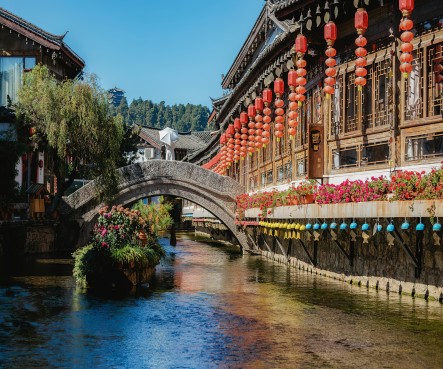
Evening in Lijiang: Cobblestone streets can be slippery—sturdy footwear. Lantern-lit atmosphere. Sifang Street area has many restaurants.
Hot water: Solar may fluctuate—please understand.
Hotel: Traditional Naxi charm (wood, courtyards) may have quirks (thin walls, stairs). Modern options outside old town. Embrace authentic character.
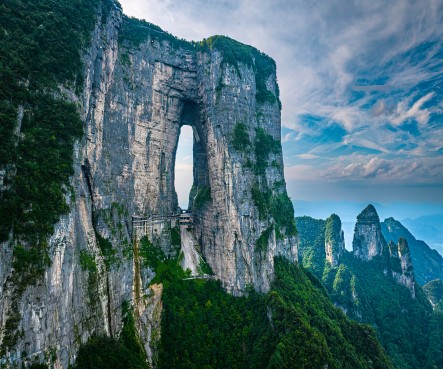
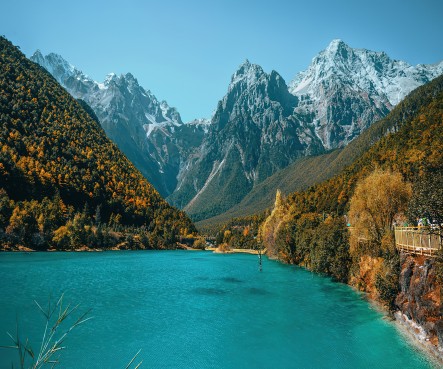
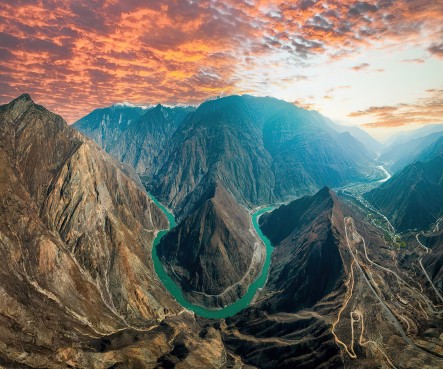
Your day begins as you depart from your hotel and journey northward along the historic滇藏公路, immersing yourself in some of Yunnan's most dramatic and culturally significant landscapes. Your first stop is the First Bend of the Yangtze River, a sweeping hairpin turn where the mighty Jinsha River (as the Yangtze is known here) abruptly changes course from south to north, creating a spectacular natural phenomenon. This historic site also marks a pivotal moment in Chinese history—it was here that the Red Army crossed the river during the Long March. After taking in the panoramic views and photo opportunities, you continue to one of the world's most epic natural wonders: Tiger Leaping Gorge. As one of the deepest and most spectacular river canyons on Earth, with a maximum depth of approximately 3,900 meters from river to mountain peak, the gorge offers breathtaking vistas at every turn. You'll explore the Upper Gorge section, where the raging Jinsha River thunders through a narrow chasm only 30 meters wide, creating a spectacle of raw natural power. The legendary tiger rock sits in the middle of the torrent—according to local lore, a hunted tiger once leaped across the gorge at its narrowest point using this rock as a springboard. Following your gorge exploration, you'll continue your ascent into the highlands, arriving at Dukezong Ancient City in Shangri-La. As one of the largest and best-preserved Tibetan settlements in Yunnan, with a history spanning over 1,300 years, Dukezong welcomes you with its labyrinthine cobblestone streets, traditional rammed-earth and wooden homes, and the world's largest prayer wheel at Guishan Hill. You'll have time to wander through the town's atmospheric alleyways, perhaps climbing to the massive golden prayer wheel to join fellow visitors in spinning it while sending blessings across the valley. As evening falls, you'll experience the highlight of your cultural immersion: a traditional Tibetan Chieftain Banquet. This festive gathering welcomes you into a replica of a chieftain's grand hall, where you'll be seated at low tables laden with authentic Tibetan cuisine—succulent yak meat dishes, steaming momo dumplings, butter tea, tsampa (roasted barley flour), and barley wine. Throughout the meal, you'll be entertained by lively Tibetan song and dance performances, with colorfully costumed performers inviting guests to join in their celebrations. The evening embodies the legendary Tibetan hospitality, leaving you with lasting memories of this vibrant culture. After the banquet, you'll be transferred to your hotel in Shangri-La for check-in, carrying the warmth of Tibetan hospitality into your night's rest.
Warm Tips
Altitude: 1,800m (First Bend) → 2,600m (gorge) → 3,300m (Shangri-La). Altitude gain significant. Symptoms: headache, shortness of breath, dizziness, fatigue. Move slow, hydrate, inform guide if unwell.
Alcohol: Barley wine at banquet—consume very sparingly or not at all. Worsens altitude symptoms.
First Bend: Uneven paths, steps. Take your time, caution near edges.
Tiger Leaping Gorge: Rocky, uneven terrain. Sturdy hiking shoes essential. Strong winds, temp swings. Dress in layers (base + mid + windproof shell). Stay on marked paths—powerful current, unstable banks. No climbing down to river.
Dukezong Town: Cobblestone streets, uneven/slippery. Prayer wheel: many steps at altitude—climb slow, rest often. Join others to spin wheel. Respect residents.
Tibetan Banquet: Authentic cuisine (yak meat prominent, veg options available). Inform guide of dietary needs. Barley wine—pace yourself. Photography welcome but no flash during intimate moments.
Weather: Variable. Mornings cool, afternoons warm, evenings cold. Gloves, beanie, scarf for evening. Layers essential.
First evening in Shangri-La: NO shower/bath. Critical for acclimatization. If absolutely necessary: brief, warm bathroom, someone nearby.
Motion sickness: Winding roads—meds if prone.
Hydration: Drink more than you think. Electrolytes, lip balm. Oxygen canisters in town (15–30 RMB).
Breakfast: [B] included. Confirm timing.
Lunch: Not included. Guide can recommend (Qiaotou Town options).
Dinner: Banquet included.
Hot water: May be inconsistent at high altitude.
Hotel: Modern to Tibetan-style. Traditional elements, more basic amenities. Embrace authentic charm.
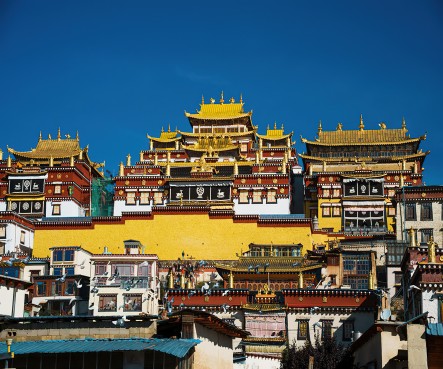
Your day begins in Shangri-La with a visit to the iconic Scripture Wheel at Guishan Hill, the centerpiece of Dukezong Ancient Town. This massive golden prayer wheel, standing at 21 meters tall and weighing 60 tons, holds the distinction of being the world's largest prayer wheel. Join local pilgrims and fellow visitors in spinning the wheel clockwise—tradition holds that each rotation sends prayers and blessings into the universe while purifying negative karma. As you walk around the base, you'll notice hundreds of smaller prayer wheels lining the perimeter; spinning each one as you pass extends your practice of accumulating merit. The panoramic views from this elevated position offer a sweeping perspective of Dukezong's labyrinthine streets and the surrounding highland landscape. From there, you'll descend into the heart of Dukezong to explore a Featured Collection Building, a carefully preserved traditional Tibetan home that showcases the region's distinctive architecture and domestic life. Wander through rooms furnished with antique Tibetan pieces—ornate wooden cabinets, handwoven carpets, butter lamps, and religious implements—each telling stories of daily existence in this highland community. Your guide will explain the symbolic meaning of household altars, the practical genius of passive solar heating in traditional rammed-earth construction, and the role of multi-generational families within these walls. Continuing your cultural immersion, you'll visit the Museum of Tibetan Culture, a comprehensive institution dedicated to preserving and interpreting the rich heritage of Tibetans in Yunnan. Housed in a striking modern building that incorporates traditional architectural elements, the museum's exhibits span Tibetan history, religious traditions, thangka painting, medical knowledge, and the unique Dongba culture of the Naxi people who share this region. Detailed dioramas, ritual objects, and multimedia presentations bring to life the spiritual and material culture that has evolved in this high-altitude environment. After this deep dive into Tibetan civilization, you'll journey to Pudacuo National Park, China's first national park meeting IUCN standards and a UNESCO World Heritage Site within the "Three Parallel Rivers" protected area. Covering over 600 square kilometers, Pudacuo showcases the best of Yunnan's highland landscapes. Board the park's eco-friendly shuttle buses to explore its two main sections. First, Shudu Lake at 3,700 meters elevation, where a 3.3-kilometer wooden boardwalk circuits through marshlands, alpine meadows, and pristine forest, offering reflections of surrounding peaks in the lake's crystalline waters. Keep watch for wildlife—you might spot black-necked cranes, Tibetan macaques, or red pandas in their natural habitat. Next, Bitahai Lake at 3,500 meters, known as the "Pearl on the Plateau," where a smaller trail leads through old-growth firs and rhododendrons to the lake's edge, with particularly stunning autumn colors. Following your immersion in this natural sanctuary, you'll begin your descent from the highlands, traveling approximately 4 hours back to Lijiang. Upon arrival in the late afternoon or evening, you'll check into your hotel, with the remainder of the evening free for independent exploration of Dayan Ancient Town. The UNESCO World Heritage site transforms after dark, with lantern-lit cobblestone streets, lively canal-side bars, intimate cafes, and a more romantic atmosphere than the daytime crowds. Stroll through Sifang Street, listen to traditional Naxi music drifting from performance venues, or simply wander the quiet alleyways discovering hidden courtyards at your own pace.
Warm Tips
Altitude: Shangri-La ~3,300m → Pudacuo up to 4,200m → Lijiang ~2,400m. Park oxygen lower than town. Move slow, hydrate, inform guide if unwell.
Scripture Wheel: Circle clockwise. Use right hand to spin. Climb steps slowly at altitude. Early morning light best for photos. Respect pilgrims—quiet voices.
Featured Collection: Private/community collection. Respect like a home. Follow photography rules. Ask before close-ups. Watch for uneven floors, low doorways.
Tibetan Culture Museum: Allow time to absorb exhibits. Photography restricted in some galleries. Gift shop for authentic souvenirs. Café, restrooms on site.
Pudacuo Park: Full day. Shuttle bus system (queues possible). Shudu Lake boardwalk 3.3km—comfortable shoes essential. Wildlife—quiet observation, no approaching. Weather changeable (rain/snow possible). Dress in layers + waterproof shell. Sun protection critical despite cold. Pack snacks/water—limited basic dining. Open 8:00 AM–4:00 PM.
Drive to Lijiang: ~4 hours, winding mountain roads. Motion sickness meds if prone. Spectacular views. Comfortable clothing, entertainment recommended. Oxygen-rich air welcome relief.
Evening in Lijiang: Cobblestone streets slippery—sturdy footwear. Main areas busy, quiet alleyways peaceful. Bars loud—seek cafes for tranquility. Dining till ~10:00 PM. Layout confusing at night—carry hotel address.
Altitude transition: 3,300m → 2,400m feels energetic. If first day in Lijiang without acclimatization, mild symptoms still possible.
Breakfast: [B] included in Shangri-La. Confirm timing.
Lunch: Not included. Pack snacks/water for park.
Dinner: Lijiang—own choice, countless options.
Weather/clothing: Morning cold, park colder/windy, Lijiang evening mild. Layers essential: thermal + fleece/down + waterproof shell. Gloves, beanie, scarf for park. Sturdy waterproof shoes. Sunscreen, hat, sunglasses despite cold.
Health: Extensive walking. Hydrate. If altitude symptoms at Pudacuo—descend, rest. Visitor centers can assist. Lijiang shower OK (descending), but avoid very hot/long if unwell.
Hotel: Dayan Town—traditional Naxi (wood, courtyards, thin walls, stairs, pedestrian-only). Outside old town—modern, vehicle access. Guide transfers to specific accommodation.
Hot water: Solar may fluctuate—please understand.
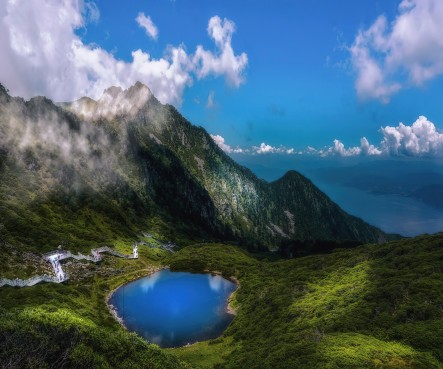
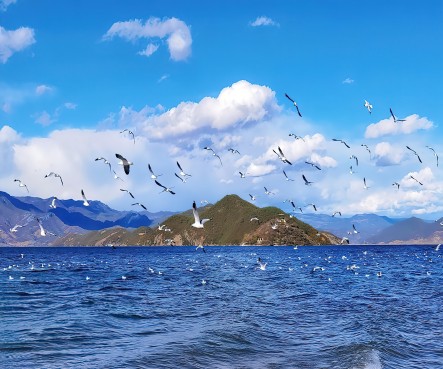
Your journey begins as you depart from Lijiang and wind your way through the dramatic mountain roads of northwestern Yunnan, ascending toward the border with Sichuan. The approximately 4-5 hour drive takes you through ever-changing landscapes—from the fertile valleys around Lijiang through pine forests and past terraced fields, climbing over mountain passes that offer glimpses of the unique culture awaiting you. Upon arrival at Lugu Lake, you'll immediately understand why this pristine alpine lake, straddling the Yunnan-Sichuan border at 2,690 meters elevation, holds such mystical appeal in Mosuo culture. Your first stop is the Observation Deck, perched on a hillside overlooking the lake's sparkling turquoise waters. Here, you'll capture your first panoramic views of the lake's signature shape, with the sacred Goddess Mountain (Gemü Mountain) rising protectively in the distance, its reflection dancing on the water's surface. Descending to the lakeshore, you'll visit Lover's Beach, a picturesque stretch of pebbled shoreline where couples traditionally courted under the watch of the moon. The crystal-clear waters lap gently at the shore while prayer flags flutter in the breeze, creating an atmosphere of romantic tranquility. Here begins your cultural immersion into the world of the Mosuo people, often described as one of the world's last matriarchal societies. Next comes one of the most authentic experiences Lugu Lake offers: a ride on a traditional Pig Trough Boat. These unique vessels, carved from single massive tree trunks and shaped like wooden pig troughs, have transported Mosuo fishermen across these waters for generations. Your Mosuo boatman or woman will paddle you out onto the lake's glassy surface, where the water clarity reveals aquatic plants swaying beneath you and, on clear days, the astonishing 12-meter visibility creates the sensation of floating on air. As you glide past small islands and beneath the gaze of Goddess Mountain, your boatman may share stories of lake legends or sing traditional Mosuo folk songs, their voices echoing across the water. Returning to shore, you'll be welcomed into a Mosuo home for the highlight of your cultural experience: a traditional Wedding Banquet. In Mosuo culture, weddings differ significantly from mainstream Chinese traditions—they reflect the unique "walking marriage" custom (sese) for which the Mosuo are famous. Your hosts will explain these fascinating traditions while serving an elaborate feast of local specialties: hearty pork belly, fresh lake fish, potatoes, buckwheat cakes, and the famously potent Sulima wine, a fermented rice liquor offered as a gesture of hospitality and blessing. As dusk falls, you'll make your way to the village square for the evening's crescendo: a Bonfire Party. This is no tourist contrivance but an authentic Mosuo social tradition where the entire community gathers around a blazing fire to sing, dance, and celebrate. Colorfully costumed Mosuo women and men form circles, their silver ornaments catching firelight as they perform traditional dances to the rhythm of drums and flutes. The atmosphere is electric with joy—you'll be invited to join the dance, holding hands with villagers as you learn simple steps, laughter bridging any language barrier. As the fire crackles and sparks fly toward the star-filled sky, you'll experience the legendary warmth of Mosuo hospitality, creating memories that will last far beyond your journey.
Warm Tips
Drive: 4–5 hrs, winding mountain roads, passes over 3,000m. Motion sickness meds if prone. Rest stops, snacks recommended.
Altitude: Lugu Lake ~2,690m (lower than Lijiang). Acclimatization generally fine, but pace yourself, hydrate, rest.
Observation Deck: Iconic lake views. Morning/late afternoon light best for photos. Breezy—secure hats.
Lover's Beach: Pebbled shore—sturdy shoes. Water clear but cold. Sunscreen, hat, sunglasses (UV reflects off water).
Pig Trough Boat: Step carefully boarding. Life jackets provided. Ride 30–60 min. Water clarity extraordinary (12m visibility). Keep hands in—water cold year-round.
Wedding Banquet: Mosuo cuisine (pork, fish, potatoes, buckwheat). Sulima wine—pace yourself, sip slowly, eat plenty. “Walking marriage” topic—open-minded curiosity, ask respectfully.
Bonfire Party: Genuine community gathering. Join dance circle—effort appreciated, steps simple. Photography welcome but no flash in eyes, ask before portraits. Dress in layers—fire warm, evening cool.
Hotel: Lakeside, rustic charm, solar hot water (may fluctuate). No A/C typically, heating available cold months. Embrace authentic experience.
Weather: Mild but big day-night swings. Layers essential (base + mid + windproof). Warm jacket for evening bonfire. Sun protection daytime.
Cultural respect: Living villages. Ask permission before photographing locals. Dress modestly visiting homes. Remove hats if hosts do.
Breakfast: [B] included in Lijiang. Confirm timing.
Lunch: Not included. Guide can recommend en route or upon arrival.
Dinner: Wedding Banquet included.
Health: Stay hydrated. Inform guide if unwell. Moderate altitude comfortable for most.
Photography: Observation Deck panorama, Lover's Beach with Goddess Mountain, boats on turquoise water, banquet scenes, bonfire dancers. Low-light gear helpful for bonfire.
Hot water: Solar may fluctuate—please understand.
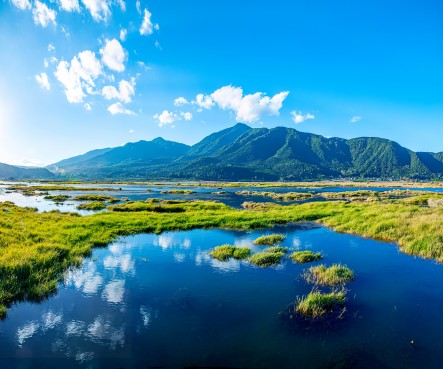
Your final morning at Lugu Lake begins with exploration of the lake's unique wetland ecosystem at the Grass Sea, a vast expanse of shallow water covered with dense aquatic vegetation that creates a floating meadow effect. This distinctive landscape, formed where the lake transitions to marshland, stretches for thousands of acres, with narrow waterways winding through tall reeds and grasses that sway gently in the mountain breeze. You'll walk out onto the Wedding Bridge, a long wooden boardwalk that extends across the Grass Sea, connecting villages and serving as a symbolic pathway in Mosuo culture. The bridge's romantic name derives from local tradition—legend holds that couples who walk across it together will enjoy lasting happiness. As you stroll along the creaking wooden planks, you're surrounded by panoramic views of the Grass Sea stretching to the foothills of surrounding mountains, with the occasional traditional pig-trough boat gliding silently through hidden channels. The birdlife here is extraordinary—herons, egrets, and various waterfowl forage in the shallows, their calls adding to the serene atmosphere. After crossing the bridge, you'll have time to absorb the tranquility, perhaps capturing photographs of the unique landscape where water and land intertwine. From the Grass Sea, you'll proceed to a Mosuo Home Visit for a deeper immersion into the daily life of this fascinating matriarchal culture. Unlike the previous evening's festive banquet, this daytime visit offers an intimate glimpse into authentic Mosuo family life. You'll be welcomed into a traditional Mosuo courtyard home, typically housing an extended family of several generations. Your hosts will show you through the main living spaces, including the grandmother's room—the spiritual and practical heart of any Mosuo home, where the eldest woman presides over family decisions. You'll learn about the famous "walking marriage" custom (sese), where couples form relationships without shared household economics, with children raised in the mother's home under the care of her brothers. Your hosts may demonstrate traditional crafts, show you their vegetable gardens, or invite you to sample homemade preserves and tea. This is your opportunity to ask questions about Mosuo life, from daily routines to modern challenges facing their traditional culture. Following this intimate cultural exchange, you'll bid farewell to Lugu Lake and begin your journey back to Lijiang. The 4-5 hour drive retraces the winding mountain roads, offering final glimpses of the stunning landscapes that separate these two unique worlds. Upon arrival in Lijiang in the late afternoon or evening, you'll be transferred to your hotel for check-in. The remainder of the evening is yours to enjoy at leisure—perhaps a final exploration of Dayan Ancient Town's lantern-lit streets, a quiet dinner at a favorite restaurant, or simply resting after your lake adventure.
Warm Tips
Grass Sea: Wooden boardwalks, can be slippery (dew/rain). Sturdy shoes with good traction. Altitude ~2,690m—comfortable for most.
Wedding Bridge: Morning light best for photos, birdwatching (herons, egrets, cormorants, winter black-necked cranes). Binoculars recommended. Bridge can get busy—arrive early. Walk leisurely, 30–45 min round trip.
Mosuo Home Visit: Genuine cultural exchange, not performance. Respect private home. Small gift (fruit, snacks, souvenir) appreciated. Ask permission before photographing family. Remove hat if hosts do. Sit where directed. Ask respectful questions about daily life, culture, modernization. Children may be shy or curious—engage gently.
"Walking marriage" topic: Only one aspect of matriarchal society. Follow hosts' lead—they may or may not discuss. No intrusive questions.
Return drive to Lijiang: 4–5 hrs, winding mountain roads. Motion sickness meds if prone. Rest stops. Descent comfortable, oxygen increases.
Lijiang evening: Independent. Lantern-lit streets magical after dark, fewer crowds. If staying in Dayan Town, pedestrian-only—walk from drop-off.
Breakfast: [B] included at Lugu Lake. Confirm timing.
Lunch: Not included. Guide can recommend en route or in Lijiang.
Dinner: Lijiang—own choice, countless options.
Weather: Morning cool, Grass Sea windy. Dress in layers. Sunscreen, hat, sunglasses—UV persists.
Cultural respect: Be a good guest. Express gratitude (xièxiè). Avoid exoticizing Mosuo traditions.
Packing: Keep snacks, water, camera, jacket, meds accessible. Main luggage stored.
Hotel: Dayan Town—traditional Naxi (wood, courtyards, thin walls, stairs). Outside old town—modern, vehicle access. Guide transfers accordingly.
Hot water: Solar may fluctuate—please understand.
Your final morning at Lugu Lake begins with exploration of the lake's unique wetland ecosystem at the Grass Sea, a vast expanse of shallow water covered with dense aquatic vegetation that creates a floating meadow effect. This distinctive landscape, formed where the lake transitions to marshland, stretches for thousands of acres, with narrow waterways winding through tall reeds and grasses that sway gently in the mountain breeze. You'll walk out onto the Wedding Bridge, a long wooden boardwalk that extends across the Grass Sea, connecting villages and serving as a symbolic pathway in Mosuo culture. The bridge's romantic name derives from local tradition—legend holds that couples who walk across it together will enjoy lasting happiness. As you stroll along the creaking wooden planks, you're surrounded by panoramic views of the Grass Sea stretching to the foothills of surrounding mountains, with the occasional traditional pig-trough boat gliding silently through hidden channels. The birdlife here is extraordinary—herons, egrets, and various waterfowl forage in the shallows, their calls adding to the serene atmosphere. After crossing the bridge, you'll have time to absorb the tranquility, perhaps capturing photographs of the unique landscape where water and land intertwine. From the Grass Sea, you'll proceed to a Mosuo Home Visit for a deeper immersion into the daily life of this fascinating matriarchal culture. Unlike the previous evening's festive banquet, this daytime visit offers an intimate glimpse into authentic Mosuo family life. You'll be welcomed into a traditional Mosuo courtyard home, typically housing an extended family of several generations. Your hosts will show you through the main living spaces, including the grandmother's room—the spiritual and practical heart of any Mosuo home, where the eldest woman presides over family decisions. You'll learn about the famous "walking marriage" custom (sese), where couples form relationships without shared household economics, with children raised in the mother's home under the care of her brothers. Your hosts may demonstrate traditional crafts, show you their vegetable gardens, or invite you to sample homemade preserves and tea. This is your opportunity to ask questions about Mosuo life, from daily routines to modern challenges facing their traditional culture. Following this intimate cultural exchange, you'll bid farewell to Lugu Lake and begin your journey back to Lijiang. The 4-5 hour drive retraces the winding mountain roads, offering final glimpses of the stunning landscapes that separate these two unique worlds. Upon arrival in Lijiang in the late afternoon or evening, you'll be transferred to your hotel for check-in. The remainder of the evening is yours to enjoy at leisure—perhaps a final exploration of Dayan Ancient Town's lantern-lit streets, a quiet dinner at a favorite restaurant, or simply resting after your lake adventure.
Warm Tips
Grass Sea: Wooden boardwalks, can be slippery (dew/rain). Sturdy shoes with good traction. Altitude ~2,690m—comfortable.
Wedding Bridge: Morning best for photos and birdwatching (herons, egrets, cormorants, winter cranes). Binoculars recommended. Arrive early to avoid crowds. Leisurely walk ~30–45 min round trip.
Mosuo Home Visit: Genuine cultural exchange. Respect private home. Small gift appreciated but not required. Ask permission before photographing family. Remove hat if hosts do. Sit where directed. Ask respectful questions about daily life, culture. Follow hosts' lead on sensitive topics ("walking marriage").
Return drive to Lijiang: 4–5 hrs, winding mountain roads. Motion sickness meds if prone. Rest stops. Descent comfortable, oxygen increases.
Lijiang evening: Independent. Lantern-lit streets magical after dark. If staying in Dayan Town, pedestrian-only—walk from drop-off.
Breakfast: [B] included at Lugu Lake. Confirm timing.
Lunch: Not included. Guide can recommend en route or in Lijiang.
Dinner: Lijiang—own choice.
Weather: Morning cool, Grass Sea windy. Dress in layers. Sunscreen, hat, sunglasses—UV persists.
Packing: Keep snacks, water, camera, jacket, meds accessible. Main luggage stored.
Hotel: Dayan Town—traditional Naxi (wood, courtyards, thin walls, stairs). Outside old town—modern, vehicle access.
Hot water: Solar may fluctuate—please understand.
Cultural respect: Be a good guest. Express gratitude (xièxiè). Avoid exoticizing Mosuo traditions.
Memories: Carry the spirit of Lugu Lake—boat songs, grandmother's warmth, bonfire glow—into your final Lijiang evening.
After breakfast, gather at the hotel and depart to visit [Asia's Largest Flower Market]. You will be transferred to the airport according to your flight schedule, marking the end of your wonderful journey!
Included/Exclude
Cost Includes
- Pick and Drop Services
- 1 Meal Per Day
- Provide free drone photography service
- Ctrip 3-Diamond Comfort Hotel
Cost Excludes
- Additional Services
- Insurance
- Food & Drinks
- Tickets
Frequently Asked Questions
Sed rhoncus facilisis purus, at accumsan purus sagittis vitae. Nullam acelit at eros imperdiet pulvinar velut nisl sit placerat neque amet sapien semper tempus.
Sed rhoncus facilisis purus, at accumsan purus sagittis vitae. Nullam acelit at eros imperdiet pulvinar velut nisl sit placerat neque amet sapien semper tempus.
Sed rhoncus facilisis purus, at accumsan purus sagittis vitae. Nullam acelit at eros imperdiet pulvinar velut nisl sit placerat neque amet sapien semper tempus.