

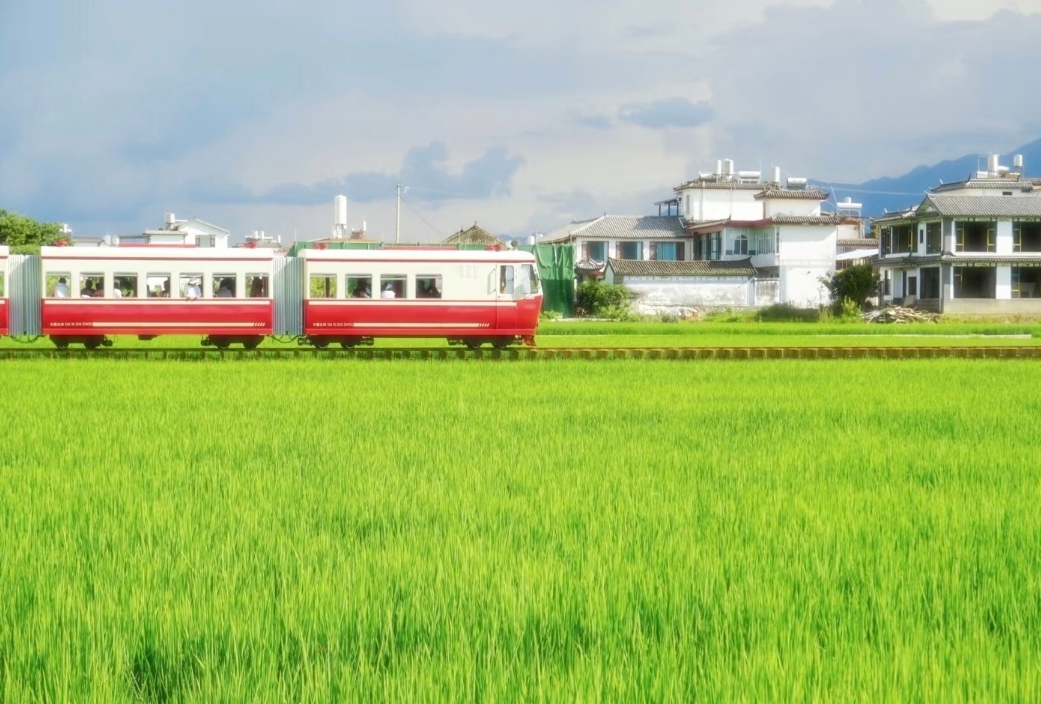
Colorful Yunnan, picturesque scenery, diverse ethnic charms. Snow mountains and lakes, spring-like all year round.
The wind sweeps over Cangshan Mountain, scattering the moonlight shimmering on Erhai Lake; clouds drift across the plateau basins, gilding the rapeseed fields in Luoping with a golden hue. This is a fairyland on earth blessed by nature itself. In spring, cherry blossoms cloak Wuliang Mountain like a drifting snow cloud; in summer, Xishuangbanna’s rainforests teem with lush, vibrant greenery; in autumn, ginkgo trees in Tengchong spread a golden carpet across the land; in winter, black-headed gulls dance gracefully over Dianchi Lake.
Must-Visit Attractions in Yunnan
1. Lijiang Old Town
2. Dali Erhai Lake
3. Jade Dragon Snow Mountain
4. Xishuangbanna Tropical Botanical Garden
5. Yuanyang Rice Terraces
Best Time to Visit Yunnan
Kunming:Known as the “City of Eternal Spring”, Kunming is suitable for travel year-round. However, spring (March–May) and autumn (September–November) offer the most pleasant weather, with mild temperatures and low rainfall, ideal for outdoor activities and sightseeing.
Lijiang & Dali:The prime travel seasons are spring (March–May) and autumn (September–November). In spring, ancient towns burst into bloom, and Cangshan Mountain and Erhai Lake boast stunning scenery. In autumn, clear skies and high visibility showcase the spectacular snowscape of Jade Dragon Snow Mountain, complemented by golden rice paddies and colorful forests.Summer (June–August) is the rainy season with frequent precipitation, but the cool temperatures make it a great summer retreat. Winter (December–February next year) is cold, with possible snow in high-altitude areas—yet fewer tourists make it perfect for travelers seeking tranquility.
Xishuangbanna:The dry season (November–April next year) is the best time to visit. With sunny days, dry climate and comfortable temperatures, it is ideal for exploring attractions like the Tropical Botanical Garden and Wild Elephant Valley, as well as joining various Dai ethnic festivals.The rainy season (May–October) brings heavy rainfall and hot, humid weather. But this off-peak period offers lower prices for accommodation and transportation, along with the chance to admire the lush tropical rainforest.
Shangri-La:Featuring a plateau mountain climate, Shangri-La is best visited in summer (June–August) and autumn (September–October). Summer has lush grasslands covered with wildflowers and cool weather, perfect for horseback riding and camping. Autumn treats visitors to the spectacular sight of red wolfsbane flowers carpeting the mountains, plus clear skies ideal for visiting Pudacuo National Park and Songzanlin Monastery.Winter (November–May next year) is frigid, with some scenic spots likely closed—travel is not recommended during this time.
Yunnan Cuisine Recommendations
-
Crossing-the-Bridge Rice NoodlesA classic Yunnan dish renowned for exquisite ingredients and rich flavor. It consists of silky rice noodles, savory broth simmered slowly with old hen, duck and pork bones, plus a variety of toppings—sliced raw fish, chicken breast, tenderloin, quail eggs, tofu skin and fresh vegetables. Blanch the raw ingredients in the boiling broth first, then add the rice noodles. The noodles are smooth and chewy, the toppings fresh and tender, and the broth rich and lingering.
-
Yunnan-Style Steamed Chicken (Steam Pot Chicken)A traditional famous dish celebrated for its unique cooking method and high nutrition. Local free-range chicken is cleaned and placed in a special steam pot with ginger slices, scallions and cooking wine, then steamed slowly with steam. This method maximizes nutrient retention, resulting in juicy, tender chicken and clear, mellow soup. It is nourishing and suitable for all ages.
-
Dai-Style Handheld RiceA signature dish from Xishuangbanna brimming with Dai ethnic charm. Glutinous rice steamed in bamboo tubes (infused with a light bamboo aroma) is placed in the center of a banana leaf-lined bamboo basket, surrounded by Dai specialties—lemongrass roast chicken, grilled pork belly, fried ribs, cold fungus salad, shredded dried beef and pineapple rice. Eaten with hands, it offers a bold and warm dining experience, combining sour, spicy, fragrant and sweet flavors.
-
Xuanwei HamOne of China’s “Three Great Hams” (alongside Jinhua Ham and Rugao Ham), it is made from local high-quality pork through salting, fermentation and air-drying. With a bright color, tender texture and rich, aromatic taste—fatty but not greasy, lean but not dry—it can be enjoyed sliced raw, stir-fried or added to soups, each way showcasing its unique flavor.
-
Wild Mushroom HotpotHailing from Yunnan, the “Kingdom of Wild Mushrooms”, this hotpot is popular during the rainy season when wild mushrooms are abundant. The flavorful broth is simmered with local chicken or pork ribs, then loaded with fresh wild mushrooms like matsutake, boletus, termite mushrooms and blue cap mushrooms. It boasts a strong mushroom aroma and exceptional taste, rich in nutrients and naturally healthy. Ensure to purchase mushrooms from regular vendors for safety.